Repair demands leave fewer ships available
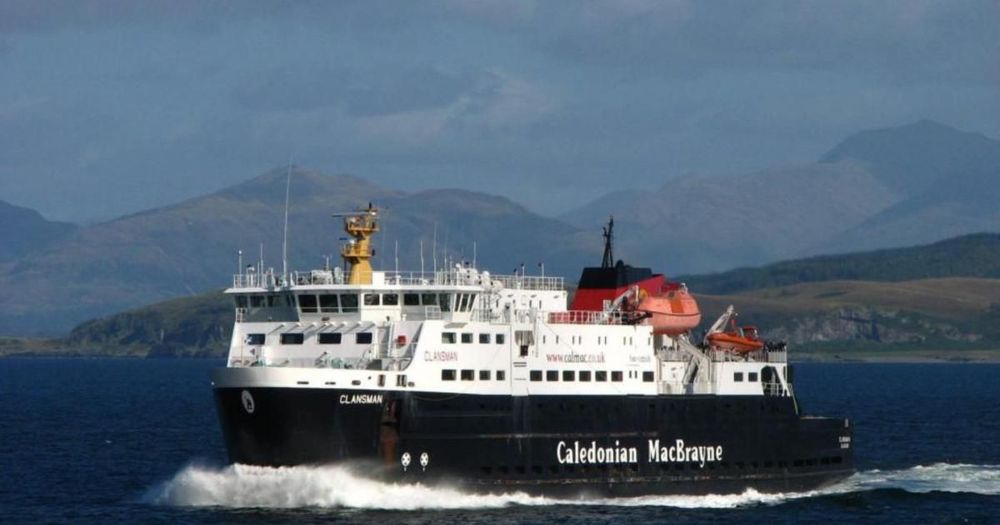
In its latest annual financial analysis, David MacBrayne Ltd (DML) said repair-related withdrawals left fewer vessels available and less scope to respond when other services ran into trouble. Overhauls and technical faults added to those pressures, while bad weather contributed to delays and cancellations.
CalMac completed 157,029 sailings during the financial year, reporting contractual reliability of 95.6%. Its customer trust score reached 71%, which DML said met its target.
Duncan Mackison, chief executive of both DML and CalMac, said: "We recognise the challenges our communities have experienced, particularly as a result of fleet resilience issues, and we are committed to being open about both our progress and the areas where more work is needed."
The repair demands included major steelwork on MV Caledonian Isles. According to Shippax, the Arran ferry, built in 1993, was unavailable from January 2024 until its return to the Ardrossan-Brodick route on June 12, 2025. Its absence involved unexpected steel renewal, major repairs to the port gearbox and extensive work on the propeller shafts.
DML retained the emergency charter vessel MV Alfred to serve Arran during the Caledonian Isles repairs. It said that arrangement also provided cover elsewhere in the fleet, particularly during the 2025/26 overhaul program. Shippax reported that the charter from Pentland Ferries had cost CalMac about £22 million by mid-2025 and had been extended through the end of October 2025.
Long-term contract and annual profits
DML recorded £10.2 million in operating profit and £2.1 million in net profit for the year. The company said the operating result included the accounting effect of leases under the new Clyde and Hebrides Ferry Services agreement, CHFS3, which took effect on October 1, 2025.
The Scottish Government awarded the contract directly, without a competitive tender, in a decision that drew controversy. It keeps CalMac as the network's operator for 10 and a half years. Separately, Transport Scotland says the arrangements provide for almost £4 billion in public investment in the Clyde and Hebrides service over a 10-year period.
DML said the agreement's duration offered greater stability for planning improvements. The Scottish Government retains strategic oversight and direction, including oversight of decisions on funding, timetables and the wider ferry system.
Mackison described securing CHFS3 as an important milestone, but said it marked the start of a new chapter rather than the completion of the company's work.
New vessels and the replacement timetable
The accounts also reflect the cost of bringing new ships into operation. DML said spending was affected by MV Isle of Islay's introduction in January 2026 and by a full year of MV Glen Sannox operations following its January 2025 service debut.
DML expects MV Loch Indaal, one of three new major vessels under construction, to enter service later in 2026. A Scottish Parliament committee paper identifies Isle of Islay and Loch Indaal as part of a four-vessel order for the Islay and Little Minch routes being built at the privately owned CEMRE shipyard in Turkey.
Work also continues on MV Glen Rosa, which DML says is due to join the fleet in 2027. STV News reported that the combined cost of Glen Rosa and Glen Sannox was approaching £460 million, more than four times their original £97 million budget. In May 2025, Ferguson Marine had said Glen Rosa would not be ready until at least April 2026.
For smaller routes, DML expects seven new vessels to be in service by 2029. These form the first phase of the Small Vessel Replacement Programme: seven fully electric, battery-powered ferries for the Clyde and Hebrides network. According to Ships of CalMac, CMAL awarded the construction contract to Remontowa Shipbuilding in Gdańsk, Poland, in March 2025, with the first vessels expected to begin commercial service from 2027.
The Scottish Parliament committee paper put the average age of CMAL's fleet at about 25 years. Transport Scotland's draft Vessels and Ports Plan aims to bring that average down to 15 years by 2030, if delivered.
DML board chairman Erik Østergaard acknowledged the difficulties services had experienced in recent years but said there were reasons for optimism. He said investment in vessels, infrastructure and service improvements would strengthen the network over the coming years, with the aim of providing the reliability and connections communities need.
Passenger information and local timetables
Alongside fleet renewal, CalMac plans changes to passenger information, accessibility and digital services. Mackison said: "Our focus is on strengthening resilience, improving customer information, embedding accessibility and digital improvements, and continuing to involve communities in decisions that affect them."
The services carry residents to work, school, healthcare appointments and family commitments, as well as transporting visitors, goods and supplies. Businesses also depend on regular crossings to bring in customers and materials.
DML said it wanted to improve passengers' experience and support the island and coastal communities that rely on the network, while acknowledging that vessel condition and availability remained a significant challenge.
The company is working with Transport Scotland on an Enhancement and Change Plan to respond to concerns from customers and other stakeholders. DML said local feedback had already informed proposed timetables for Islay and the Little Minch, with community preferences considered alongside operational needs and the limits of the available fleet.