A strategic setback outweighs stronger earnings
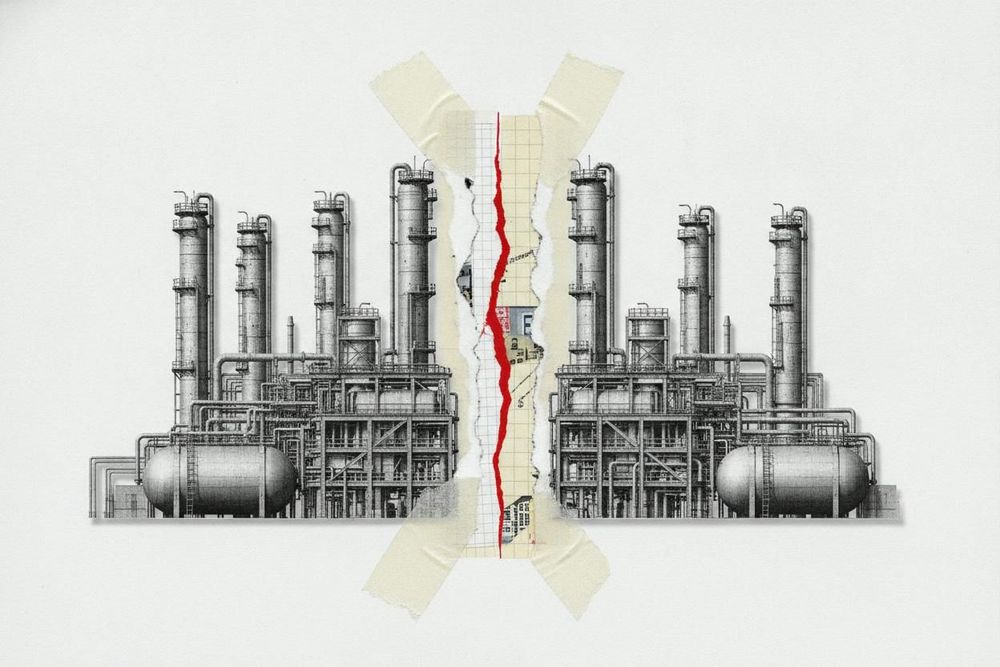
Galp and Moeve ended negotiations on October 26, 2026, after about 10 months without reaching agreement on key commercial terms. Their non-binding agreement, announced January 8, had envisaged two companies formed from their downstream operations, which include refining and fuel retail.
Moeve would have controlled an industrial company bringing together refining, chemicals, trading and low-carbon fuels. A separate, equally owned retail company would have housed the customer-facing operations, including both firms' Iberian service-station networks.
The deal's collapse removed the prospect of savings or additional revenue from combining those businesses. That helps explain why stronger earnings forecasts did not translate into a higher valuation: Berenberg increased its estimates for Galp's 2026 profit and cash generation but left its "hold" rating and €22 price target unchanged. Investors may now assign less value to potential downstream synergies and the possibility of a shift to a higher valuation.
Refining supports a higher 2026 outlook
Berenberg described Galp's October 26 results as solid, pointing to broad operational strength and a supportive economic backdrop. Third-quarter core profit, measured as RCA EBITDA, reached €1,522 million, exceeding the €1.47 billion consensus and rising 67% from a year earlier. The refining margin increased to $34.0 per barrel of oil equivalent from $9.5.
Galp now forecasts about €5 billion in full-year 2026 core profit, compared with about €4 billion previously. It also raised its operating cash-flow outlook from about €3 billion to about €3.9 billion. The revised assumptions put Brent crude at $90 a barrel rather than $80 and the realized refining margin at about $25 per barrel of oil equivalent rather than $13.
Jefferies focused on what the update implied for the final quarter: a refining margin of about $34 a barrel, matching the third quarter and substantially exceeding its own $21.6 forecast. The firm retained a "hold" rating and €21 price target.
For the first nine months of 2026, core profit totaled €3.74 billion, a 54% year-over-year increase. Quarter-end net debt stood at €1.43 billion, equivalent to 0.35 times core profit, compared with a ratio of 0.5 at the end of 2025.
A separate unresolved financial matter concerns Galp's LNG contract dispute with Venture Global. An arbitration tribunal ruled in Galp's favor on part of the dispute on October 7, 2026, but damages have not yet been determined.
Galp still favors a downstream partner
On the October 26 analyst call, co-CEO João Diogo Marques da Silva said the Moeve negotiations had reached the "last mile" before Galp decided to walk away. He said the decision was well supported because the commercial terms could not deliver a sustainable deal that created value.
"No deal is better than a bad deal," Marques da Silva said, adding that Galp feels "no pressure whatsoever" to rush into another downstream combination. A partnership remains its preferred option over a spin-off or separate listing, and he ruled out keeping 100% ownership of the industrial business in any future downstream partnership.
Galp's standalone industrial operations center on the Sines refinery, which has capacity of 226,000 barrels a day. They also include a 100 MW renewable hydrogen electrolyzer and an advanced hydrotreated vegetable oil and sustainable aviation fuel plant with capacity of 270,000 metric tons a year, due to open by early 2027.