Independent directors review the proposal
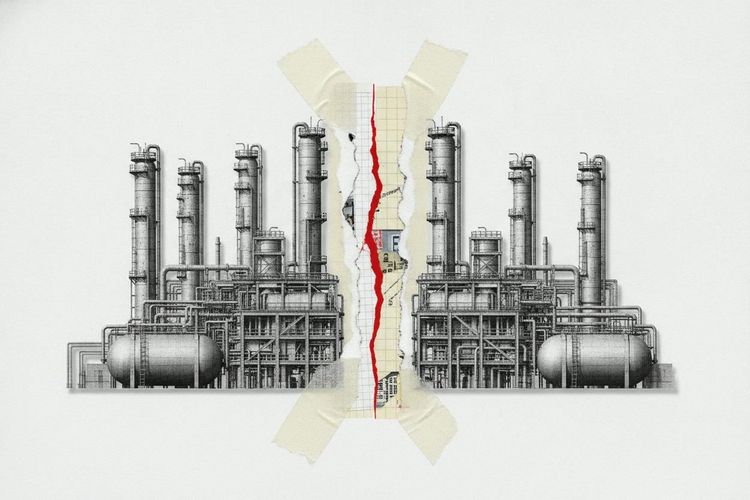
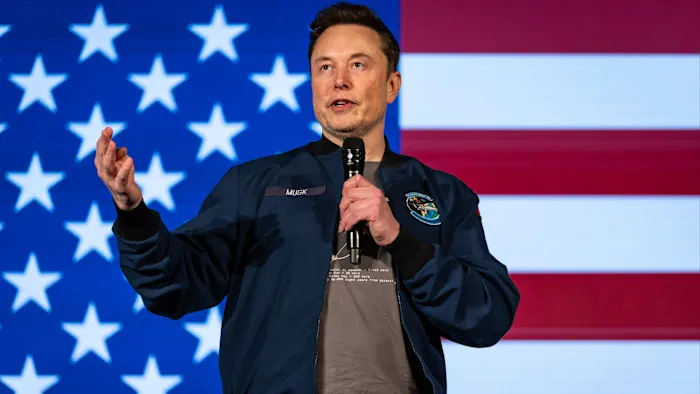
Musk disclosed the committees during SpaceX's third-quarter earnings call on October 20, 2026. Each company's board appointed independent directors to consider the possibility of combining the businesses.
As chief executive and largest shareholder of both companies, Musk said he was a "conflicted party" and could not participate in the committees' discussions.
Some Tesla shareholders have pushed for a faster process. According to Not a Tesla App, a letter calling on Tesla's board to fast-track a merger attracted 6,493 signatures representing more than 17.5 million shares. Its organizers planned to submit it on October 26, 2026.
Existing ties and a potential $3.5 trillion combination
Fortune estimated in its October 21, 2026 report that the two businesses together would be worth roughly $3.5 trillion at then-current market values.
The review follows other moves to consolidate Musk's companies. Tesla disclosed a $2 billion investment in xAI in January 2026; days later, SpaceX acquired xAI in a transaction that valued the combined business at $1.25 trillion. SpaceX subsequently went public in June 2026.
Tesla and SpaceX already share a chip fabrication project, Terafab, with Intel. They also have substantial commercial ties: Not a Tesla App reported that SpaceX purchased about $506 million worth of Megapacks and $130 million worth of Cybertrucks from Tesla in 2025.
The classroom questions
The Financial Times selected its report, "SpaceX and Tesla boards explore potential merger," for its free schools access program. Alex Smith of Sevenoaks School, writing for InThinking/thinkIB, supplied an exercise tied to IB DP economics Unit 2.11, which covers market failure and market power.
The exercise asks students to read the report and answer five questions. A 2-mark opening question examines how a merger could increase the companies' market power in technology. Two 4-mark questions then address scale: the possible technical and financial economies, and the potential communication and motivation diseconomies.
The remaining questions are worth 4 marks apiece. Students must explain two potential advantages for consumers in the technology market and two potential disadvantages. The questions frame these outcomes as possibilities, not established effects of a completed deal.
Approval requirements and timing
Musk said a merger would require support from 50% of all outstanding Tesla shares, rather than just half of the shares voted. He described that requirement as "quite a high hurdle." Approval at SpaceX would be easier, he said, because he controls more than 50% of its voting power.
Fortune put Musk's SpaceX ownership at about 45%, while reporting that its multi-class share structure gives him roughly 82% of the voting power.
Tesla's annual shareholder meeting is scheduled for December 3, 2026, but its proxy filing contains no merger proposal, according to Not a Tesla App. Any merger vote would therefore have to take place later.