Higher payments to support state purchases
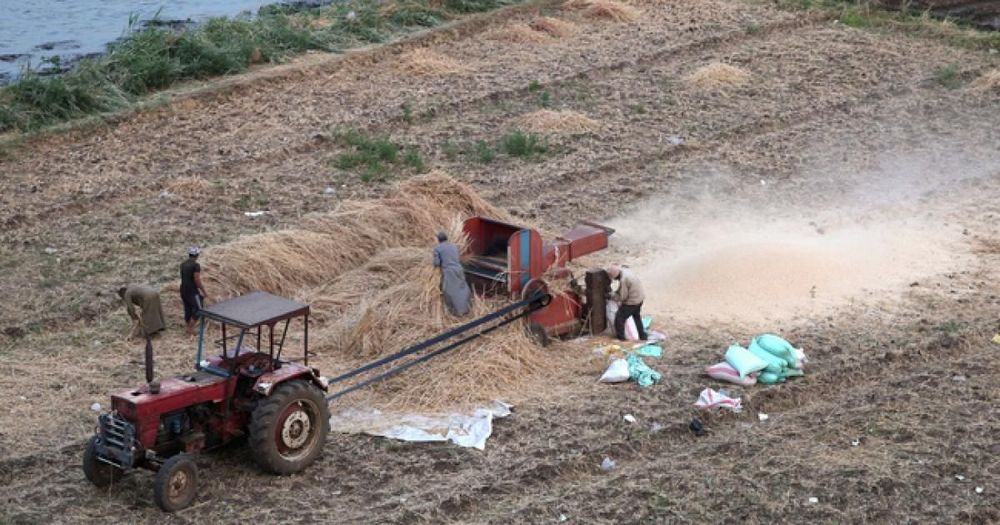
The proposal follows earlier increases in the government's wheat purchase price. On August 27, 2025, Egypt set the price for the 2026 season at 2,250 to 2,350 pounds per ardeb, with payment depending on the grain's purity and moisture levels, according to the USDA Foreign Agricultural Service. An ardeb equals 150 kilograms. The price then rose to 2,500 pounds in April 2026, according to the Food and Agriculture Organization.
During the April-August 2026 procurement season, the government aimed to buy five million metric tons of domestic wheat. Purchases had reached about 4.7 million metric tons by mid-June, according to figures reported by Reuters.
State purchases help Egypt build strategic grain reserves and limit its exposure to swings in global wheat prices. A higher procurement price can encourage farmers to sell to the government, but the volume they deliver also depends on harvest size and the prices available from other buyers.
Domestic output falls short of demand
USDA estimates Egypt's wheat consumption at 20.3 million metric tons in the 2026/27 marketing year, with demand driven by a population of more than 108 million. Its Cairo office projects domestic production of 9.8 million metric tons, a 6.5% increase from the previous year, and imports of 12.5 million metric tons, down about 1.6%. The marketing year runs from July through June.
The FAO's forecasts put Egypt's import requirements at 13.5 million metric tons for that marketing year. It estimates the country's 2026 wheat harvest at about 10 million metric tons, supported by an expansion in planted area.
Egypt ranks among the world's largest wheat importers and relies heavily on Russia, the European Union and Ukraine, according to Grain Brokers Australia. Over the five years to 2026, those suppliers delivered 35.8 million, 9.0 million and 8.9 million metric tons, respectively.
Bread subsidies remain part of wheat policy
Alongside its purchases from farmers, the government subsidizes bread production. On June 1, 2024, the price of a subsidized loaf increased from 5 piasters to 20 piasters, the first increase in 36 years, according to the USDA Foreign Agricultural Service.
The government currently compensates bakeries for about 89% of production costs, compared with 96% before the bread price change.