How Glasgow businesses can make the benefits of Oasis live forever
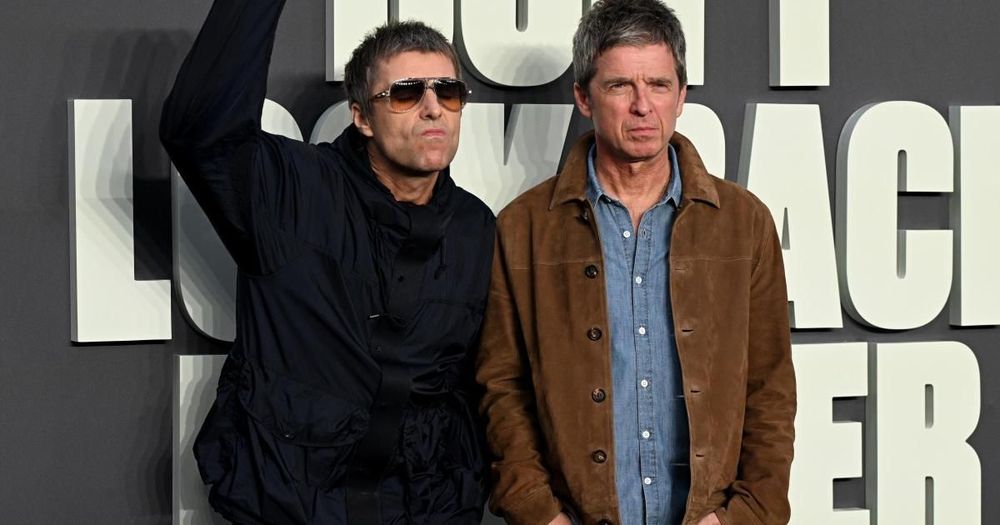
Oasis are returning to Scotland, and Glasgow businesses should prepare for one of the biggest economic opportunities of the year. The band will play five nights at Celtic Park on May 21, 23, 25, 28 and 29, 2027, marking the first time Oasis will open a major tour in Glasgow and bringing thousands of fans to the city.
The financial potential is substantial. During the Oasis Live '25 tour, fans spent an average of more than £766 each attending a show, covering tickets, accommodation, food, drink, outfits and merchandise. That tour generated over £940 million in total economic impact for the UK economy, including £217 million from ticket sales and £219.3 million from hospitality spending alone. The tour grossed approximately £397.7 million and attracted over 2.89 million attendees, making it the second-highest-grossing and third-most-attended tour of 2025.
The demand for Oasis is extraordinary. Around 14 million people requested tickets for the initial 1.4 million available tickets during the Live '25 tour announcement, demonstrating the intensity of interest that Glasgow can expect in 2027.
For Glasgow businesses, the opportunity extends far beyond Celtic Park itself. Fans will need accommodation, transport, meals and entertainment. Many will make a weekend of it, exploring the city and spending money across multiple sectors. Bars and restaurants could create Oasis-inspired menus or pre-concert packages. Hotels could develop weekend offers encouraging fans to stay longer. Independent retailers might introduce Britpop-inspired ranges, while record shops and music venues can celebrate the band's history and Glasgow's role in it.
That history runs deep. On 31 May 1993, Oasis played an unscheduled set at King Tut's Wah Wah Hut on St Vincent Street, where Creation Records boss Alan McGee discovered them and signed them almost immediately. More than three decades later, the band returns to a city that helped launch their career.
Glasgow's cultural infrastructure
Glasgow became the UK's first UNESCO City of Music in August 2008, only the third in the world at that time. Today the city hosts around 130 music events every week, with more than half a million people attending gigs annually. Venues range from the OVO Hydro and Hampden Park to the Barrowland Ballroom and King Tut's itself.
Music represents just one element of Glasgow's cultural economy. The city is currently demonstrating its ability to host major international events through the 2026 Commonwealth Games, which will welcome 3,000 athletes from 74 Commonwealth nations and territories from July 23 to August 2, 2026. The Games are projected to bring £150 million in economic benefit to the city.
Celtic Park has not hosted a major concert in over 30 years, making the Oasis shows particularly significant. During the 2025 tour, official Oasis fan stores opened in host cities including Edinburgh, selling clothing, accessories and exclusive vinyl, while Murrayfield Stadium operated a touring merchandise store on non-show days. Glasgow businesses can create similar complementary experiences, giving fans reasons to spend more time and money in the city.
Planning for sustainable growth
Scottish businesses are already thinking about expansion. Bank of Scotland's September Business Barometer found that 46% of Scottish firms expect to increase staffing levels over the next year, while 47% plan to introduce new products or services over the next six months and 45% intend to invest in training their teams.
For businesses preparing for the Oasis concerts, that could mean hiring additional staff, increasing stock levels, improving booking and inventory management systems, and training teams to handle peak demand. These improvements can continue delivering value across Glasgow's busy events calendar.
The challenge is turning short-term opportunity into long-term advantage. Businesses should analyze spending patterns during the concert weekend, maintain customer engagement afterwards, and use the busy period to test new offerings, partnerships or services. An investment made for the Oasis tour should leave the business stronger through greater capacity, better technology, more skilled staff or an expanded customer base.
Major cultural events demonstrate what happens when a city's venues, businesses, transport networks, hospitality sector and creative community work together. They bring visitors to Glasgow, create reasons for them to stay, and give local firms opportunities to showcase their offerings. The goal is to transform exceptional trading days into lasting capabilities that continue generating returns long after the final encore.