Investors welcome a "dull" Budget
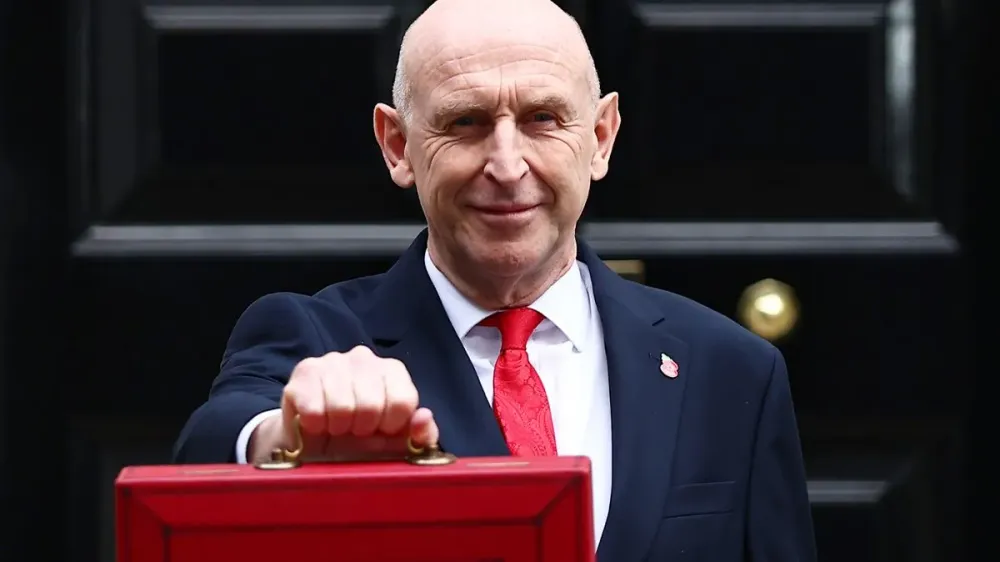
Healey avoided unsettling the bond markets on which the government depends to finance its borrowing. Gilt yields, which reflect the interest rates paid on new government debt, were largely unchanged after the statement.
Matthew Amis, investment director at Aberdeen, said: "The gilt market wanted dull and they got exactly that. With oil and gas prices this high and with one eye on France, a dull Budget is what was needed." Amis said Healey had avoided the major obstacles facing him and that gilts were slightly outperforming as a result.
Quilter investment strategist Kit Rees said the restrained response from sterling and gilts showed the speech had "done its job to placate markets looking for evidence of fiscal credibility". Rees described fiscal discipline as the centerpiece of Healey's speech, intended to reassure investors ahead of possible decisions on higher spending.
That reassurance comes with limits. Matthew Ryan, head of market strategy at financial services firm Ebury, warned that the narrow fiscal buffer left sterling and gilts vulnerable to weaker growth or another increase in global borrowing costs. "The can has been kicked, but the road is getting shorter."
Energy costs weigh on inflation and growth
The quiet market reaction followed an Office for Budget Responsibility warning that higher inflation would add £14 billion a year to government borrowing costs during this Parliament. The watchdog also lowered its growth forecast for next year because of the expected continuing effects of the Middle East war.
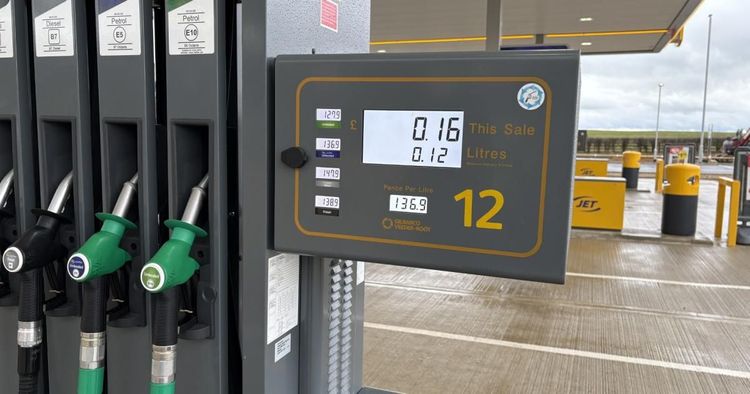
Healey said the conflict had driven oil from around $70 a barrel to well over $100, while gas prices had nearly tripled since February. Rees said the Iran war and higher oil prices had intensified inflation pressures, with growing expectations of Bank of England rate increases pushing gilt yields higher.
UK consumer prices rose 3.5% in the 12 months through September 2026, driven by higher energy and fuel costs. The OBR now forecasts average CPI inflation of 3.4% in 2027, compared with 2% in its previous forecast.
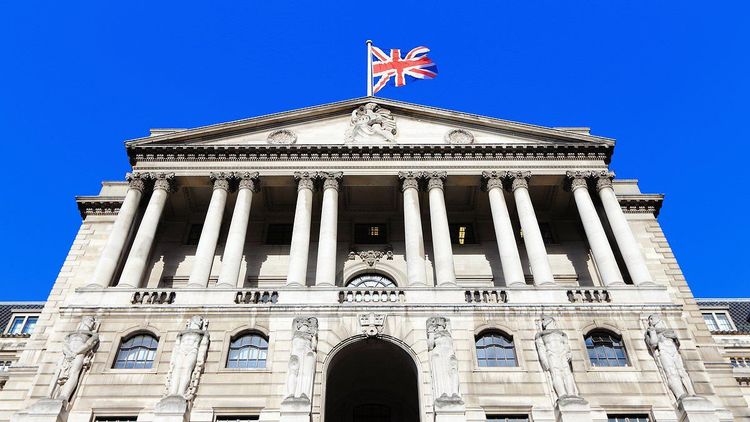
Its interest-rate assumptions have also risen. The October forecast puts average 10-year gilt yields at 5% in both 2026 and 2027, rather than the 4.6% projected in March. Over those same years, the Bank of England's base rate is expected to average 4%, up from the earlier estimate of 3.6%.
The growth revisions vary by year. The OBR raised its 2026 GDP growth forecast from 1.1% in March to 1.2%, but reduced its 2027 projection from 1.6% to 1%. It left 2028 at 1.6%, lifted 2029 from 1.5% to 1.8% and increased 2030 from 1.5% to 1.7%. Growth in 2031 is forecast at 1.6%.
Less headroom as borrowing forecasts rise
Healey warned that the government's fiscal headroom would shrink from £24 billion to £15 billion by the end of the decade. In his Budget speech, he said the OBR had confirmed a £15 billion margin against the stability fiscal rule in 2029/30, followed by £22 billion in 2030/31.
Government borrowing is projected to reach 4.2% of GDP in 2026/27, above the 3.6% forecast in March. The Budget forecasts then show it declining to 3.4% in 2027/28, 2.9% in 2028/29 and 2.1% in 2029/30, before reaching 1.8% in both 2030/31 and 2031/32.
Debt is forecast at 83.2% of GDP in 2026/27 and 83.8% in each of the following two fiscal years. It is then projected to decline to 83.1% in 2029/30, 82.3% in 2030/31 and 81.7% in 2031/32.
Temporary bank tax increase and investment funding
Healey said he had ruled out broad-based tax increases and cuts to public services, while keeping the government's promise not to raise taxes on working people.
The Budget nevertheless includes a targeted, temporary increase in the bank surcharge to help finance energy-bill support. The rate will rise by 3 percentage points, from 3% to 6%, starting in January and lasting 15 months.
Healey also allocated an additional £20.4 billion to the National Wealth Fund and the British Business Bank over the coming years. He said the funding would support 140,000 jobs.