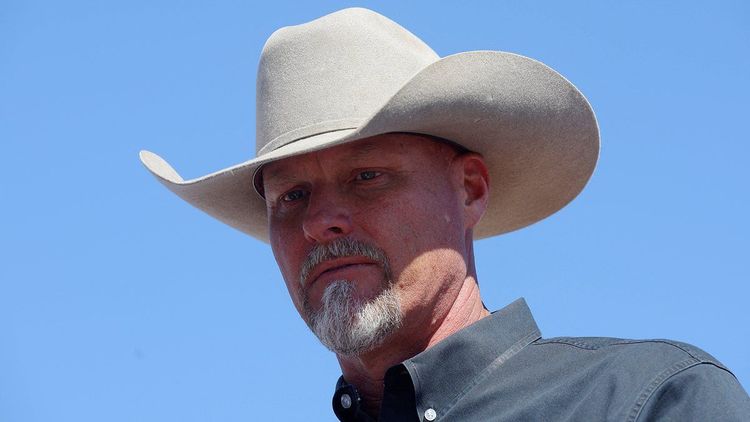
Defence stocks surge as former Defence Secretary Healey takes charge at Treasury
Defence stocks rallied on Tuesday as John Healey was appointed Chancellor of the Exchequer by new Prime Minister Andy Burnham, barely six weeks after resigning as Defence Secretary over insufficient military funding.
Healey resigned on 11 June alongside Armed Forces Minister Al Carns, both citing inadequate resources in the government's defence investment plan to address current security threats. His dramatic departure from the Ministry of Defence came after the June 2025 Strategic Defence Review outlined the UK's equipment and capability needs for the next decade without specifying how it would be funded.
The former Defence Secretary takes over from Rachel Reeves, who stepped down as Chancellor on 20 July as Burnham, formerly Mayor of Greater Manchester, completed his cabinet reshuffle after succeeding Keir Starmer as Prime Minister.
Market reaction to Healey appointment
Investors responded positively to Healey's appointment, with shares in shipbuilder Babcock climbing 4.1 per cent, BAE Systems gaining 1.8 per cent, Rolls-Royce advancing 1.1 per cent and Qinetiq adding 3.1 per cent.
Market participants believe Healey will prioritise defence spending after years of advocating for increased military investment. The UK currently spends 2.6 per cent of GDP on defence including security and intelligence services, up from 2.3 per cent in 2024-25. The government committed in February 2025 to reach 2.5 per cent by 2027, with a further pledge at the June 2025 NATO summit to hit the alliance's 3.5 per cent target by 2035.
However, reaching that 3.5 per cent target would require approximately £36-40 billion in additional annual spending compared to current levels, equivalent to about £500 per person per year. How Healey intends to fund this substantial increase remains unclear.
Fiscal concerns and market uncertainty
The appointment triggered market concerns about fiscal policy, with UK 10-year gilt yields climbing above 5.05 per cent on Tuesday, their highest level in two months. Borrowing costs have risen amid uncertainty over Burnham's spending plans, with the Prime Minister indicating he would seek flexibility within existing fiscal rules.
Burnham, who served as Mayor of Greater Manchester for nearly a decade before returning to Westminster, became Prime Minister following a leadership crisis that saw over 95 Labour MPs call for Starmer's resignation. Earlier in 2026, the prospect of Burnham taking power had unsettled bond markets due to concerns about his fiscal approach compared to Starmer and Reeves, who had emphasised fiscal discipline.
On his second day in office, Burnham announced that the 5 per cent VAT on household electricity bills would be cut from 1 October, signalling his willingness to pursue spending measures despite market jitters.
Industry expectations
Tina Cook at investment bank Raymond James said investors would be watching closely to see whether Healey can deliver the defence investment he spent years arguing for.
The question now is not whether he wants to increase defence spending, but whether he can find the money to do so without spooking markets further,she noted.
The defence industry has long called for greater certainty on funding to support long-term procurement and capability development. Healey's unique position as the only recent Defence Secretary to resign over insufficient resources and then take control of the Treasury purse strings has created expectations that he will prioritise military spending in upcoming budget decisions.