Mulberry chief urges Burnham to axe tourist tax and protect regional manufacturing jobs
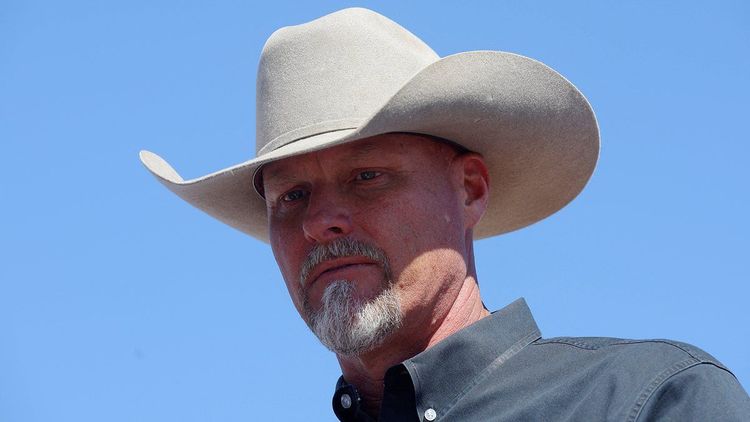
The chief executive of Mulberry has urged Prime Minister Andy Burnham to abolish the controversial tourist tax, arguing that restoring VAT-free shopping for overseas visitors would boost British manufacturing and create jobs across England's regions.
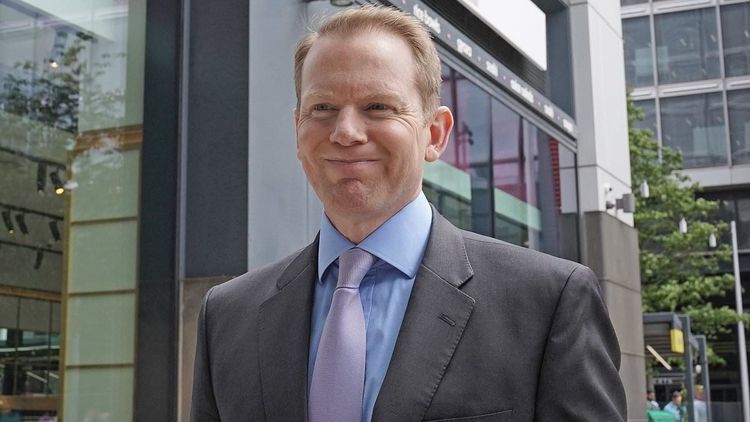
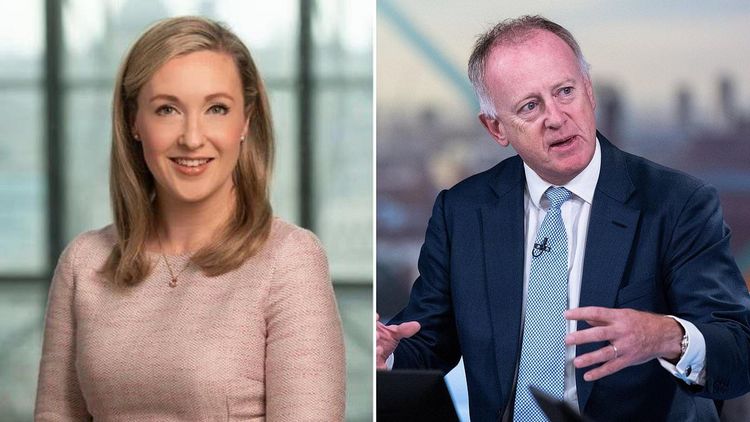
Andrea Baldo, who leads the British luxury handbag maker, said reinstating the tax refund scheme should be "high on the agenda" for the new government, particularly as it would benefit manufacturing hubs beyond London, including cities such as Liverpool and Manchester.
The appeal comes as Mulberry reported a significant improvement in its financial performance, with losses narrowing from £32.2 million to £8.9 million following a turnaround strategy focused on reviving the brand's presence in its home market. Shares rose 5.8 per cent to 145p on Wednesday morning.
The manufacturing connection
Baldo emphasised the link between tourist spending and domestic production, noting that Mulberry operates two factories in Somerset employing 600 craftspeople who manufacture approximately half of the company's bags. As Britain's largest manufacturer of luxury leather goods, the firm exemplifies how tourist purchases directly support regional employment.
"There was a great advantage in being able to offer tourists from abroad products that have been manufactured in Britain," Baldo said. "Tourism is a big part of our business that we have completely neglected because of the situation in London."
He argued that restoring the VAT refund would create a virtuous circle: "If we can unlock that, then we're just going to produce more because people love the UK manufacturing story. It's not just trading retail, but it's really truly connected with Somerset and the factories."
The tourist tax controversy
The UK abolished the VAT Retail Export Scheme on 1 January 2021, ending a system that had allowed overseas visitors to reclaim 20 per cent VAT on goods purchased and taken home in their luggage. Approximately 1.2 million visitors used the scheme in 2019, according to HMRC figures.
The decision has proved deeply unpopular with the retail and hospitality sectors. Hundreds of businesses including Primark, Harrods and Burberry have campaigned for its restoration, arguing that Britain is losing luxury sales to European competitors.
European countries maintain VAT refund schemes for overseas tourists despite charging similar rates. Standard VAT across Europe averages around 20 per cent, ranging from 17 to 27 per cent, yet most EU nations allow foreign visitors to reclaim the tax on purchases taken abroad.
France has aggressively capitalised on the UK's policy shift, slashing its minimum spend requirement for VAT refunds from €175 to €110 and investing in new luxury retail space at Charles de Gaulle airport and in Paris.
The economic impact
The financial consequences have been substantial. London's West End retailers alone suffered £220 million in unrealised sales during the first half of 2024, with total losses for that area estimated at £400 million for the full year.
Major luxury retailers have reported significant damage. Harrods slipped into pre-tax loss citing thin tourist trade, while Selfridges blamed a slump in international tourists for a 7 per cent fall in sales, posting losses for the fifth consecutive year.
The Centre for Economics and Business Research estimated that ending tax-free shopping could result in up to 41,000 job losses in the retail sector and a fall of 1.2 million non-EU visitors to the UK, representing a 7 per cent decline.
The UK government maintains that ending the scheme saves approximately £400 million per year. However, both the Office for Budget Responsibility and HM Treasury have admitted they failed to account for indirect economic impacts when making this estimate, including reduced tourism spending, lost jobs and decreased business rates revenue.
Mulberry's recovery
Against this challenging backdrop, Mulberry has focused on rebuilding its domestic presence. Sales rose 4 per cent to £125.5 million for the 52 weeks to 28 March, up from £120.4 million the previous year.
The company has won back former customers, with more than half of retail and digital sales coming from returning buyers. New product launches, including summery raffia bags and updated versions of flagship products like the Bayswater handbag, have driven growth.
The relaunch of the Roxanne bag, originally popular in the 2000s and now fronted by actress Cynthia Erivo, has appealed to both nostalgic former customers and younger Gen Z shoppers.
Baldo's strategy has revived the brand's "cool Britannia" image from the 2010s, when celebrities like Alexa Chung, who has a bag named after her, championed its products. The company has expanded its UK presence through new concessions in John Lewis and Selfridges stores.
Baldo identified a "sweet spot" with products priced between £800 and £1,200, positioned below ultra-luxury brands but maintaining premium quality and British craftsmanship.
The chief executive argued that Burnham's stated commitment to generating "good growth in every postcode" and shifting economic power away from Westminster made the VAT refund restoration particularly timely. Baldo suggested that Liverpool and Manchester, alongside London, could become significant beneficiaries of increased tourist spending if the tax were scrapped.