EasyJet profits plunge 70% as Middle East conflict drives fuel costs higher
EasyJet has reported a sharp decline in quarterly profits as the ongoing conflict in the Middle East continues to squeeze the aviation industry through higher fuel costs and reduced passenger demand.
The budget airline posted an £85 million profit for the three months to 30 June, down 70 per cent from £286 million in the same period last year. The decline came despite a 2 per cent increase in group revenue to £2.98 billion.
Fuel costs surged 17 per cent to £732 million during the quarter as prices for the airline's unhedged requirements peaked at around $1,800 per metric tonne in April. The spike followed disruptions to the Strait of Hormuz, a critical shipping channel that handles roughly one-fifth of global oil supply and about one-quarter of global liquefied natural gas trade.
Brent crude oil prices had peaked above $100 per barrel in March and April following the outbreak of conflict, representing more than a 50 per cent increase from early 2026 levels, though they later moderated to around $72-73 per barrel by late June.
Industry-wide pressure
EasyJet's struggles reflect broader challenges across the European aviation sector. Rival Ryanair reported a 34 per cent decline in first-quarter profit to €538 million from €820 million a year earlier, also citing higher fuel costs and weaker demand stemming from the Middle East conflict.
The International Air Transport Association warned in June that global airline profitability was expected to halve in 2026 as the industry's fuel bills surge due to the conflict.
Passenger numbers at EasyJet remained broadly flat at 25.8 million despite a 1 per cent increase in seat capacity, with the group's load factor falling by 1.3 percentage points to 88.9 per cent. Revenue per available seat kilometre fell by 3 per cent as the airline faced weaker booking trends following the outbreak of hostilities.
Takeover uncertainty
The financial results come during a turbulent period for the airline, which is currently the subject of competing takeover bids from US private equity firms. EasyJet backed a £5.7 billion offer from Apollo Global Management earlier this month, after an initial £5.5 billion approach from rival suitor Castlelake.
However, shares plunged nearly 12 per cent yesterday following reports that the European Union is preparing to review airline ownership rules to prevent foreign investors from gaining effective control of carriers. The review, aimed at protecting strategic autonomy to ensure control of regional carriers remains within the bloc, could complicate the US bids.
Current EU regulations require airlines operating under an EU licence to be majority owned and effectively controlled by EU member states or EU nationals, making any foreign takeover challenging. Apollo's offer represents an 81 per cent premium to EasyJet's closing share price of £3.94 on 28 May, the last trading day before Castlelake's interest became public.
Resilient holidays division
While the airline operation struggled, EasyJet's holidays arm proved more resilient. Profit before tax in the holidays division slipped just 2 per cent to £84 million as customer numbers grew by 8 per cent. Excluding currency movements, profit increased 7 per cent.
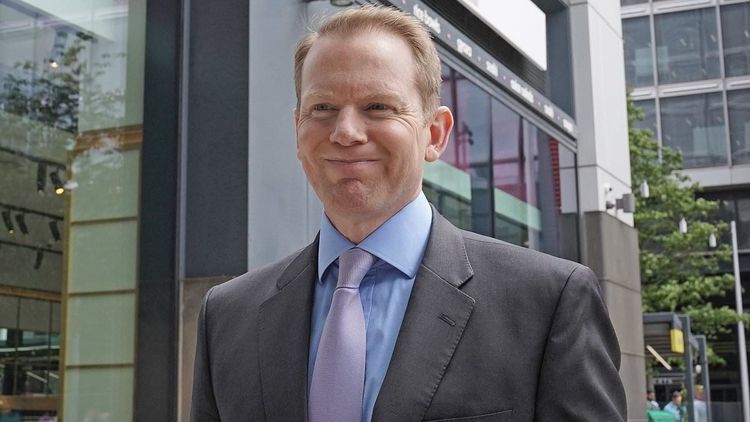
Chief executive Kenton Jarvis said the company had continued to manage the impact of the Middle East conflict during the quarter. He noted that pricing had been attractive, driving strong late booking demand for flights and holidays.
The airline saw some recovery in booking patterns heading into peak summer, with shares rallying 5 per cent this morning as EasyJet reported it had sold 68 per cent of its capacity for the current quarter. Jarvis said passengers were beginning to book further in advance as consumer confidence increases.
Earlier this year, EasyJet had reported a headline loss after tax of £377 million for the six months to the end of March, 27 per cent deeper than a year earlier, even as revenue grew 12 per cent to £3.95 billion, demonstrating how fuel costs overwhelmed revenue growth.
The company cautioned that its annual outlook remained dependent on late summer bookings and fuel prices, noting that fuel prices continue to be volatile. Jarvis said the company remained focused on strategic initiatives to deliver its medium-term profit target of more than £1 billion.
Garry White, chief investment commentator at Raymond James, noted that the ongoing takeover battle between the US private equity groups risks becoming a distraction, though he added that the bidding war itself highlights that the market has been undervaluing the business and its growth prospects.