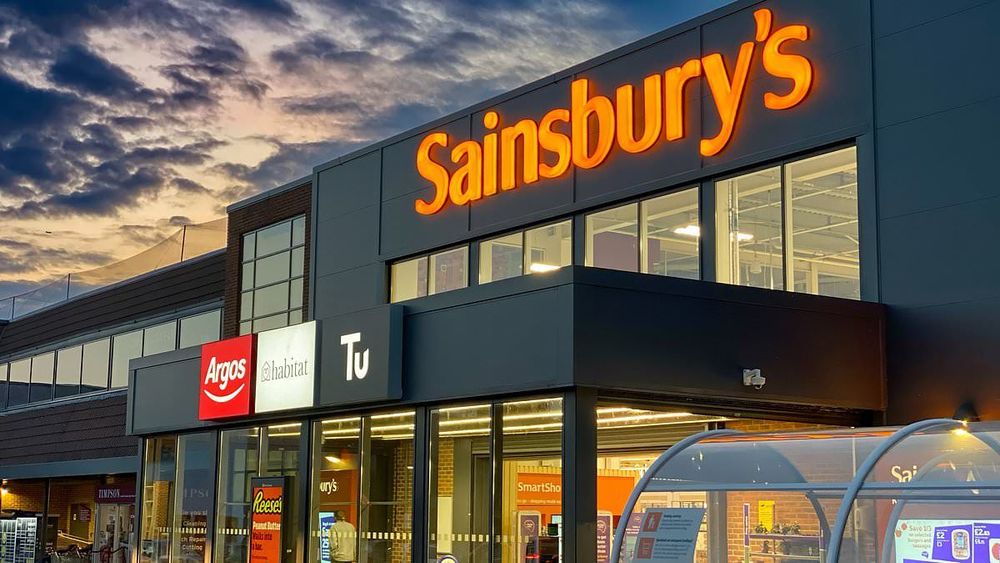
Could Sainsbury's and Asda finally merge after seven years? Regulatory shift and market pressures may reopen door
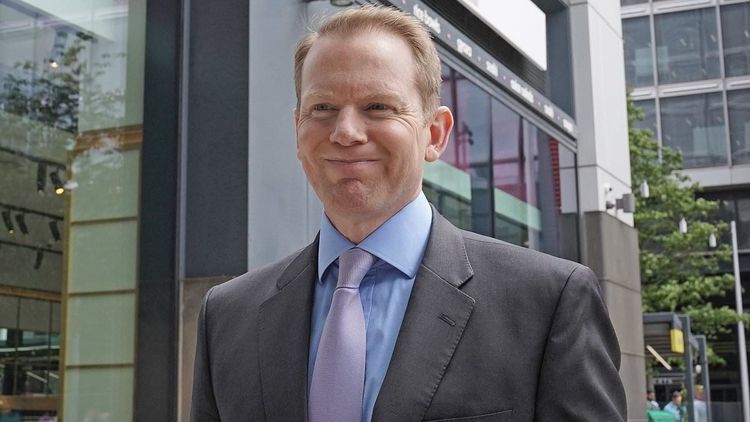
Seven years after Sainsbury's boss Mike Coupe was caught singing 'We're in the money' following a proposed £12 billion merger with Asda, dramatic shifts in Britain's grocery landscape and regulatory environment are fuelling renewed speculation that a deal could finally happen.
The original 2019 merger, which would have created a retail behemoth with estimated revenues of £51 billion across 2,800 stores under brands including Sainsbury's, Asda, George, Habitat and Argos, was blocked by the Competition and Markets Authority. The regulator ruled the combination would lessen competition, raise prices and reduce consumer choice.
But the market has transformed since then. Asda, acquired by TDR Capital and the Issa brothers for £6.8 billion in 2021, now faces severe financial pressure. The buyers contributed just £780 million in equity while loading the company with £3.7 billion in debt. Today, Asda's debt burden stands between £3.8 billion and £5.9 billion after refinancing £3.2 billion at higher interest rates in 2024, with maturities pushed beyond 2030.
The highly leveraged acquisition proved poorly timed. Asda raised fuel prices by a few pence to service debt repayments just as interest rates soared to combat post-Covid inflation, driving customers to rivals. The chain's market share has collapsed from 14.9 per cent in 2019 to 11.5 per cent currently, with losses hitting £1 billion in the year to December 2025. The owners took a £344 million write-off against property assets once valued at £8 billion.
German discounters Aldi and Lidl have capitalised on Asda's struggles. Aldi overtook Morrisons to become Britain's fourth largest grocer in September 2022 and now commands approximately 10.6 per cent market share, closing in on Asda's 11.8 per cent. The combined share of Aldi and Lidl has surged to 18.3 per cent from roughly 10 per cent in 2017, while the traditional Big Four supermarkets have seen their collective grip shrink from 73 per cent to 65 per cent.
Regulatory landscape shifts
The regulatory environment has also changed markedly. Former CMA chairman Marcus Bokkerink departed in January 2025 amid reports he was forced out over government concerns that overly interventionist enforcement was undermining business confidence. His successor Doug Gurr, confirmed as permanent chair in February 2026 for a five-year term, brings a different perspective from his background as Amazon UK's country manager until 2020.
Under Gurr's interim leadership in 2025, the CMA did not block a single merger out of 881 considered, marking the first time since 2017 that no mergers were blocked in a calendar year. This represents a dramatic shift from the previous regime and could signal a more permissive approach to large-scale consolidation.
However, any merger attempt faces a significant legal hurdle: the CMA imposed a 10-year prohibition in July 2019 barring Sainsbury's from acquiring any stake in Asda or its subsidiaries until 2029. This restriction would need to be lifted or expire before any deal could proceed.
Strategic rationale strengthens
Sainsbury's decision to offload struggling Argos to a consortium led by retail veteran Richard Pennycook for £120 million, having paid £1.4 billion for the business in 2016, has freed up management bandwidth. The sale, expected to complete in February 2027, removes a major distraction.
A combined Sainsbury's-Asda entity would command 26.7 per cent market share, nearly matching Tesco's 28.2 per cent dominance. The geographic fit looks compelling, with Sainsbury's strength in the affluent south complementing Asda's northern heartlands. Senior sources close to Sainsbury's suggest investment bank UBS may be exploring options given Asda's diminished state.
TDR Capital is understood to be increasingly impatient to exit, with Britain's moribund stock market making a flotation unlikely. Sainsbury's chairman Martin Scicluna presided over the sale of insurer RSA to a Canadian rival, suggesting openness to transformative deals.
Doubts remain
Yet sceptics question whether chief executive Simon Roberts, six years into his tenure, would want to stake his legacy on acquiring a struggling competitor. Retail consultant and former Asda buyer Ged Futter argues the fit is poor.
After six years at the helm, Roberts must be coming to the end of his stint as chief executive. I can't see him wanting to be involved in an acquisition. Asda is not a good fit, and is struggling. Any potential purchase of Asda just plays into Tesco's hands.
Veteran executive chairman Allan Leighton is fighting to stabilise Asda, but the combination of mounting debts, market share losses and pressure from discounters has left the chain in a precarious position. Whether Sainsbury's sees opportunity or risk in those challenges may determine if the 'We're in the money' moment finally arrives for both retailers.