High take-up, but questions about children missing out
The Scottish Child Payment provides low-income families with £28.20 a week for each eligible child. Spending since its introduction five years ago totals £1.6 billion, and participation reached 96% in 2024-25, with more than 320,000 children receiving support.
The remaining 4% represents about 13,000 eligible children. Available data cannot establish whether they belong to groups at greatest risk of poverty, such as lone-parent households, minority ethnic families or families that include a disabled child or adult.
Auditor General Stephen Boyle credited the government with delivering a benefit that is helping reduce child poverty. But he said ministers must demonstrate that the children most vulnerable to poverty can access it, explain how they will assess its long-term effects and show what the investment achieves.
Delivery times have also lengthened. In its separate Social Security Scotland 2025/26 annual audit report, Audit Scotland said the median processing time for the payment rose from 11 working days in 2024-25 to 22 in 2025-26. The latest published figures cited in that report showed it reaching 33 working days in June 2026.
Evaluating costs and poverty reduction
Annual spending reached almost £460 million in 2025-26 and is forecast to reach £522 million in 2030-31. The government estimates that the payment will keep 50,000 children out of poverty this year.
The benefit increases with inflation, but the modeling does not estimate how other measures to reduce poverty could change its future role or cost. Audit Scotland wants ministers to explain how they expect demand to develop.
The watchdog also identified shortcomings in plans to assess effects on debt reduction, social exclusion and health inequalities. It called for stronger evidence to support medium-term evaluations and a plan to examine the payment's long-term impact.
The findings come against Scotland's statutory child poverty targets. The Child Poverty (Scotland) Act 2017 set an interim goal of fewer than 18% of children living in relative poverty by 2023-24 and a final target of 10% by 2030-31. Audit Scotland noted that the rate fell from 26% to 22% between 2022-23 and 2023-24, but the government still missed its interim targets.
How the payment has grown
Introduced under then First Minister Nicola Sturgeon, the payment opened for applications on February 15, 2021, at £10 per child each week. According to the Scottish Government, its value has risen by more than 170% since then.
A further increase is planned for eligible children younger than one. A premium announced in the Scottish Budget on January 13, 2026, will bring their weekly payment to £40 during 2027-28. The government estimates that around 12,000 children will benefit and that the addition could provide more than £500 extra a year for each eligible child.
The Scottish Government says the Scottish Child Payment, together with other family payments administered by Social Security Scotland, could provide around £25,000 by a child's 16th birthday. It compares that with less than £2,000 in England and Wales, where support ends at age four.
Campaigners seek wider action and higher payments
Chris Birt of the Joseph Rowntree Foundation said the commitment and investment behind the payment should extend to Scotland's wider work on child poverty. He cited the foundation's recent finding that progress against destitution in Scotland had stalled and urged action now.
Birt pointed to childcare, social care, affordable housing, good jobs with greater flexibility and help for families seeking work as ways to make a difference. With energy bills rising and destitution remaining very high, he said people felt ignored by politicians. He called for ambitious new child poverty targets backed by measures such as the payment.
Other campaigners sought increases beyond the planned premium for babies. Action for Children's national director for Scotland, Fiona Steel, called for £40 a week for every eligible child following the audit report. Poverty Alliance chief executive Peter Kelly renewed his call for a £55 weekly rate.
Political critics took a different view. Scottish Conservative social security spokesman Craig Hoy described the benefits bill as "out of control" and the payment as a "disincentive to work," urging First Minister John Swinney to curb spending. Reform UK finance spokeswoman Angela Ross also accused the government of creating incentives that made welfare more attractive than employment.
Government says evaluation work is underway
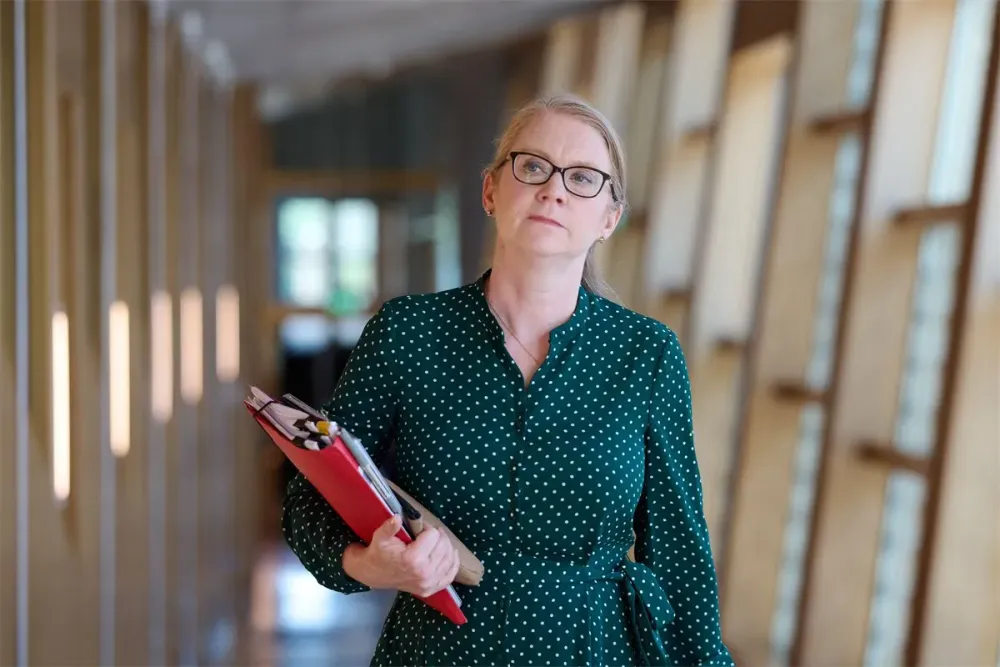
Social Justice Secretary Shirley-Anne Somerville said the government had begun work on the report's recommendations. Future monitoring would examine recipients' experiences, she said, while officials were exploring how to measure long-term effects on children individually and across the population.
Somerville argued that UK government policies were pushing families into poverty and impeding Scotland's progress. She said the Scottish Government had committed around £1.5 billion to offset the effects of 16 years of UK policy, including the bedroom tax and benefit cap. She also criticized the UK government's Budget for missing an opportunity to follow Scotland in protecting and strengthening social security support.