From Greenock to the Litani River
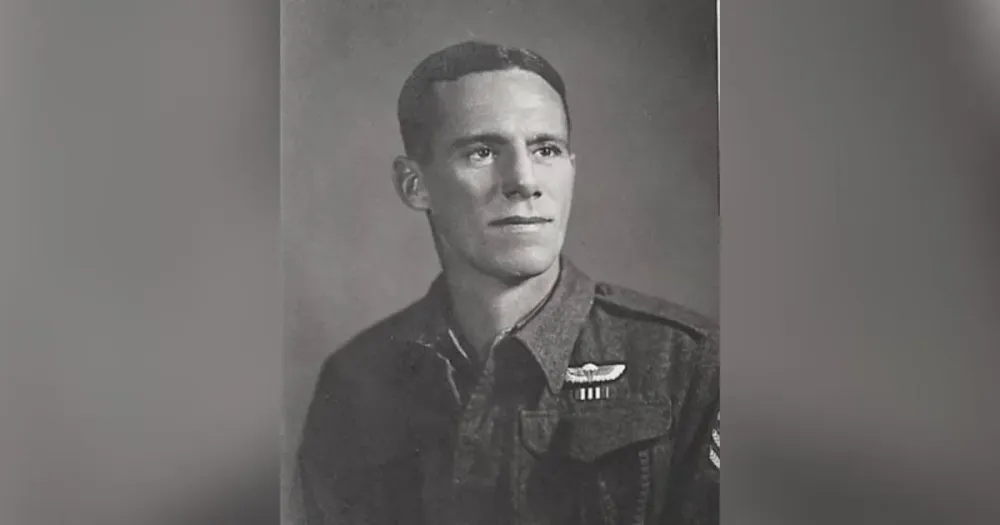
Born in February 1911, Duncan Robert "Bob" Tait came from Greenock in Renfrewshire, Scotland, according to The Mirror. His service took him through the London Scottish and Gordon Highlanders before he joined No. 11 Commando.
In June 1941, armored fighting vehicles attacked his section at the Litani River in Syria. Tait reportedly burned one of the vehicles and helped repel others. When his detachment was subsequently surrounded and ordered to surrender, he escaped rather than submit, crossing the river by swimming and reaching Allied forces.
He received the Military Medal for the action. The Commando Veterans Archive identifies the award announcement as London Gazette issue 35316, page 6088.
The SAS's early operations
The disbandment of his commando unit led Tait to L Detachment, Special Air Service, David Stirling's original wartime SAS. He joined as an acting sergeant, according to the Commando Veterans Archive, which records his service number as 2888693.
Tait participated in the SAS's first mission in Libya in November 1941, a parachute operation supporting the Operation Crusader offensive. The mission ended disastrously: The Mirror reports that Germans killed or captured 22 of the 60 men involved.
In 1942, he took part in the attack on the Axis airfield at Agedabia, Libya. The four-man SAS team destroyed 37 enemy aircraft, and Tait received a Bar to his Military Medal, denoting a second award. The announcement appeared in London Gazette issue 35799, page 5142, according to the Commando Veterans Archive.
The Mirror and War History Online credit the Agedabia raid with persuading British military chiefs of the need for a specially trained force operating behind enemy lines. The Mirror describes it as securing the SAS's future.
A separate mission near Libya's Marble Arch area left Tait's party without its planned extraction after it missed the force sent to collect it. The men covered about 180 miles to reach friendly territory, reportedly seizing enemy vehicles along the way and collecting intelligence about German positions and minefields.
A lasting badge design
Veterans' accounts also credit Tait with helping devise the SAS's familiar winged dagger badge. The Mirror gives a more specific account of the design: it depicts King Arthur's Excalibur as a flaming sword, not a dagger, despite the common description.
According to The Mirror, members of the newly formed unit selected Tait's design in an informal competition, and it remains the regiment's cap badge. Stirling is credited with devising the motto "Who Dares Wins."
Tait went on to serve with 1 SAS, 2 SAS and SAS Brigade Headquarters, becoming one of the regiment's most decorated early members. He died in 1975 at age 64.
Medals and wartime belongings sold
In March 2018, Bosleys of Marlow auctioned Tait's medals for a hammer price of £84,000. The total reached £108,600 with the buyer's premium, The Mirror reported.
His original SAS wings fetched £2,500, a world record at the time. His fighting knife and silk escape map of North West Europe, carried after the D-Day landings, sold for £1,700.