Apology debate reaches Commonwealth summit
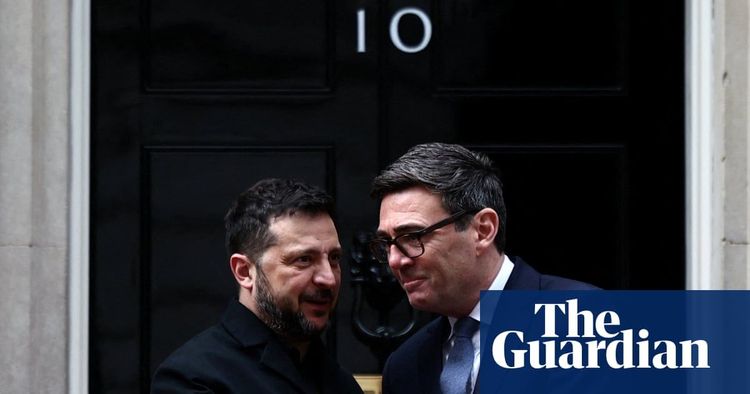
Burnham rejected financial reparations but told The Guardian he wanted a "structured dialogue" with those affected by slavery. He expressed personal "sorrow and regret" and said: "Listening to calls for a formal apology on behalf of the British state will form an important part of this process. I am open to them."
The comments raised questions about the government's position just before the Commonwealth Heads of Government Meeting (CHOGM). According to the Daily Mail, reporters accompanying Charles had been assured as recently as Thursday evening that the policy remained "absolutely no apology".
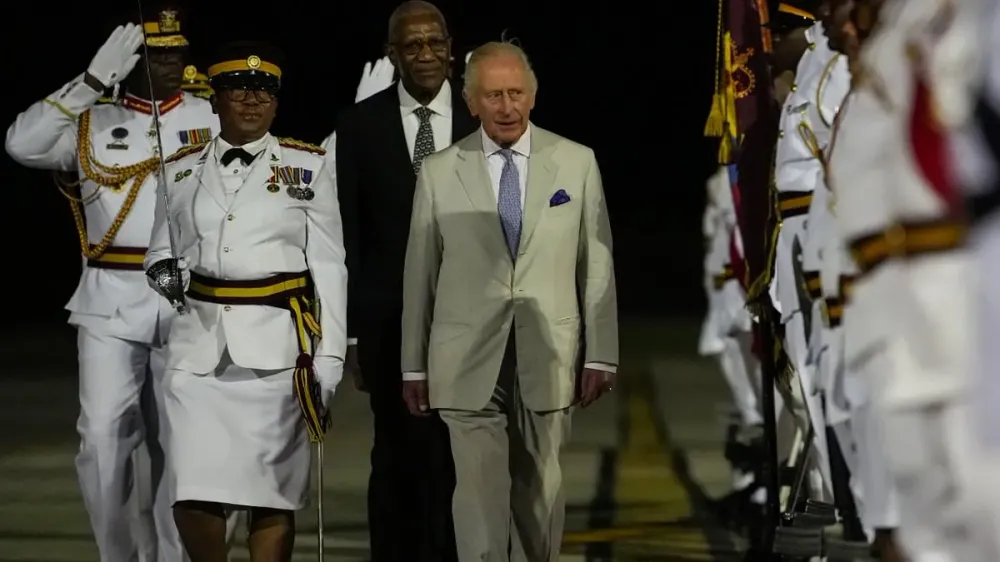
Burnham will travel to the summit in Antigua and Barbuda, which runs from November 1 to 4, 2026. Charles is due to deliver a keynote speech on Tuesday as head of the Commonwealth.
Palace and Downing Street sources said officials had discussed Burnham's remarks through their usual channels and that the Palace received advance notice in a "timely manner". Royal sources said neither the King's summit speech nor his schedule would need to change.
Caribbean leaders keep compensation on the table
Barbados Prime Minister Mia Mottley welcomed Burnham's remarks as "breaking new ground" and endorsed moving to the next stage of discussions. Philip J. Pierre, prime minister of St. Lucia and chair of the 15-nation Caribbean Community, or CARICOM, said: "No British prime minister has gone this far before... We are ready to engage."
Pierre rejected both Britain's opposition to reparations and the argument that responsibility ended because people living in Britain today took no personal part in slavery. In his October 31 statement, he identified CARICOM's Ten-Point Plan for Reparatory Justice as the basis for talks.
The plan seeks more than an apology and monetary compensation. According to the Jamaica Observer, it also covers public health; education and training; the return of cultural heritage and reconnection with it; psychological rehabilitation; technology and innovation; entrepreneurship; debt cancellation; and decolonization.
CARICOM relaunched a revised version, titled "CARICOM Ten Point Plan for Reparatory Justice: A Manifesto for the Coming Enlightenment," at the Third CARICOM Regional Conference on Reparations in Barbados ahead of the summit, the CARICOM Secretariat said.
Pierre also contrasted Britain's compensation of slave owners at Emancipation with the absence of land, wealth or compensation for formerly enslaved people. British taxpayers continued repaying the loan used to compensate slave owners until February 2015, he noted.
He said CARICOM would seriously examine a British initiative, to be led by former Prime Minister Gordon Brown, to restructure debt owed by the poorest Commonwealth countries. But most CARICOM members are classified as middle- or high-income economies and routinely miss out on concessional relief, he cautioned. Debt relief could not replace reparatory justice.
Palace distinguishes the King's role from UK policy
Charles's eight-day Caribbean visit was intended to strengthen trade and diplomatic ties, but demands for an apology preceded Burnham's intervention. Before the trip, Foreign Office officials said the government had not advised the King to apologize or pay reparations. As a constitutional monarch, he must follow government advice.
A Buckingham Palace spokesman said Charles would confront the past in his summit address with "unflinching honesty, sincere sorrow, and respect for the wider discussions" between governments. The spokesman stressed that Charles would be speaking as head of the Commonwealth, not addressing policy questions specific to the British government.
Earlier in the tour, Charles spoke in Nassau about the "shameful aspects" and "great suffering and injustices of the past". In Georgetown, Guyana, he visited a site where the British executed enslaved people who had rebelled. A reparations committee in The Bahamas had called on him to make a formal apology.
Royal biographer and Daily Mail writer Robert Hardman criticized Burnham's intervention as a major blunder. He argued that it would intensify rather than settle the dispute and placed Charles in a difficult position as monarch of both Britain and several countries seeking compensation.
British opposition and support for reparations
Conservative leader Kemi Badenoch opposed making today's British taxpayers financially responsible for slavery generations ago. She also questioned whether Britain should continue attending Commonwealth summits if they became "an exercise in presenting Britain with demands for cash".
The British government has long rejected financial compensation, favoring cooperation on education and economic development. A 2025 poll commissioned by The Repair Campaign, however, found support among 63% of more than 2,000 UK adults surveyed for a formal apology to Caribbean nations and descendants of enslaved people. Support for financial reparations stood at 40%. Both figures were reported as up 4% from 2024.
The same survey found that 85% of respondents were unaware that Britain had forcibly transported more than 3 million Africans to the Caribbean.
Some descendants of British families that profited from slavery have publicly supported reparative justice. AFP identified former BBC journalist Laura Trevelyan, Charlie Gladstone and aristocrat David Lascelles among them in an October 25 report.
Trevelyan publicly apologized in Grenada in 2023. She told AFP that she and other family members had paid around £100,000 in voluntary personal reparations designated for education projects.
International resolutions and a pending legal case
Commonwealth leaders have already agreed to discuss the legacy of slavery. At their October 2024 meeting in Apia, Samoa, they endorsed a communiqué recognizing transatlantic slavery and the trafficking of enslaved Africans as crimes against humanity, according to the CARICOM Secretariat. It stated that "the time has come for a meaningful, truthful and respectful conversation towards forging a common future based on equity".
Campaigners also welcomed a Ghana-led UN General Assembly resolution adopted on March 25, 2026, condemning the trafficking and racialized chattel enslavement of Africans as a crime against humanity. UN News reported that 123 countries voted in favor, three opposed it and 52 abstained. The United States, Israel and Argentina voted against; Britain and all 27 European Union members abstained.
The resolution is not legally binding. It urges countries to consider apologies and contributions to a reparations fund, and calls for the return of looted cultural property.
A separate legal challenge is due to be heard in 2027. AFP reported on October 25 that Britain's Privy Council, the final appeals court for UK overseas territories, would hear a petition filed by Jamaica. The petition asks whether the capture, transport and enslavement of Africans in Jamaica was ever lawful under English law and whether Britain owes Jamaicans a "reparatory remedy".