Three energy giants to control 74% of UK household market after Eon-Ovo merger
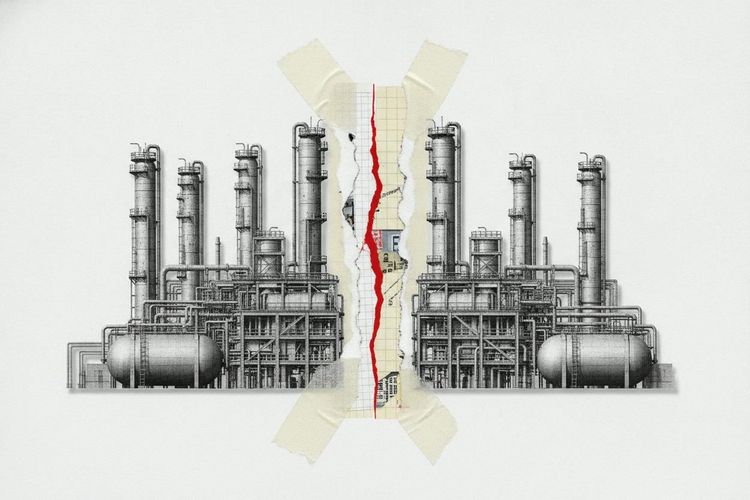
The consolidation of Britain's energy market has reached a critical point, with three companies set to control 74 per cent of household supply following Eon's acquisition of rival Ovo Energy.
The deal, valued at approximately £600 million and approved by the competition watchdog last week, will see Eon become the country's second-largest domestic energy supplier with a 25 per cent market share. Together with Octopus Energy at 26 per cent and British Gas at 23 per cent, these three firms will dominate the market serving millions of homes.
The transformation marks a stark departure from the energy landscape of recent years. At its 2018 peak, more than 70 energy suppliers competed for customers across the UK. By March 2021, that number had fallen to around 49, before the energy crisis decimated the sector further.
Between 2018 and 2026, approximately 54 energy suppliers ceased operations, affecting some 6.3 million customers. November 2021 proved the darkest month, when 11 suppliers failed simultaneously, leaving 1.88 million households scrambling for new providers.
The largest casualty was Bulb Energy, which served approximately 1.5 million customers when it collapsed in November 2021. Unlike smaller failures, Bulb was placed into Special Administration rather than the standard Supplier of Last Resort process due to its scale. Its customers were eventually acquired by Octopus Energy in October 2022, a deal that helped propel Octopus to become Britain's largest energy supplier by late 2023, overtaking British Gas for the first time since market liberalisation in the 1990s.
By mid-2026, only around 17 domestic suppliers remained active in the market, compared to the 50 that operated before the crisis struck.
Concerns over competition and pricing
Tom Goswell, energy supply lead at Cornwall Insight, warned of potential risks from the concentrated market structure.
The big six have become the big three, and there have been questions raised over how this will impact household choice and the health of the market.
Once the Eon-Ovo transaction completes later this year, the main five energy suppliers will control 90 per cent of the UK's domestic energy market, alongside Eon, Octopus and British Gas, EDF and Scottish Power round out the top tier.
The concentration raises concerns about competitive pressure.
The concern with fewer suppliers is that the pressure to compete eases off, taking with it some of the incentive to keep prices low and offer something different,
Goswell explained.
However, he acknowledged potential benefits from consolidation.
Larger suppliers do bring with them a degree of stability, and after around 30 firms dropped out of the market, leaving customers wondering who would be sending their next bill, stability is not something to dismiss lightly.
Ovo Energy, founded in 2009 by Stephen Fitzpatrick, had been facing mounting financial pressure. The company stated that changes to financial resilience expectations and increased regulation had "altered the economics of the sector", contributing to its decision to accept Eon's offer.
What customers need to know
For now, Eon and Ovo customers face no immediate changes. The two firms will continue operating separately until the deal completes, with no interruption to energy supplies or alterations to payment arrangements including direct debits.
All existing tariffs will be honoured throughout the transition period. Customers on fixed-rate deals will see them remain in effect until the agreed end date, whilst those receiving the Warm Home Discount will continue to benefit from the £150 support scheme. The discount, which was significantly expanded in October 2025 to reach approximately 2.7 million additional households, provides crucial assistance to eligible low-income families.
Both companies have pledged to contact customers in advance should any changes to billing be proposed. Customers retain the right to switch to alternative providers at any time during the transition.
Rising bills add to household pressures
The merger comes as energy costs continue climbing. From 1 October 2026, the Ofgem price cap rose 4 per cent from £1,663 to £1,723 annually for typical dual-fuel households paying by direct debit. The increase, driven primarily by wholesale gas costs linked to Middle East conflicts, follows a 13 per cent rise in July.
The price cap, which protects around 22 million households on default tariffs, now stands at its highest level in three years. Approximately 11 million households on fixed tariffs remain outside the cap's scope.
Further pressure looms ahead. Cornwall Insight forecasts the quarterly price cap could jump by roughly 16 per cent in January 2027, pushing typical annual bills to £1,999, an increase of £276. If realised, this would mark the highest level since March 2023, as ongoing geopolitical tensions keep wholesale energy prices elevated.
The combination of market concentration and rising costs has intensified scrutiny of the energy sector's direction. Whilst larger suppliers argue they can offer more innovative tariffs and greater stability, consumer advocates will be watching closely to ensure competition remains sufficient to protect household budgets in the years ahead.