Markets anticipate a change after September's hold
Investors had priced in a near-100% probability of a November increase by late October, according to Bloomberg, along with at least three more increases by July 2027. Economists surveyed by Bloomberg, on balance, expected increases in November and February. Bloomberg Economics' BOESPEAK index of policy communications had reached its highest reading since early 2023.
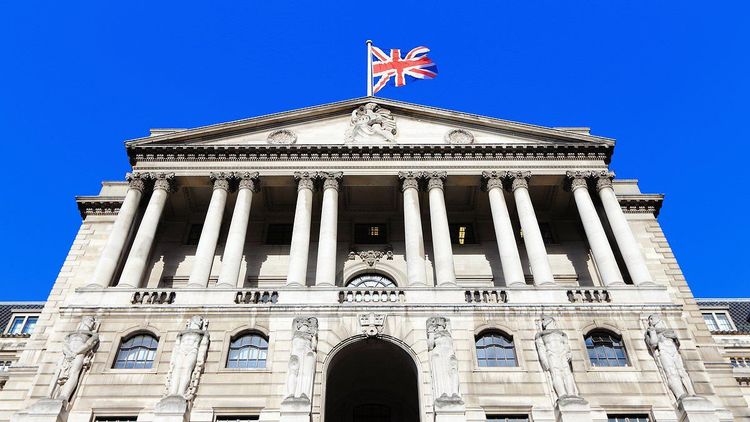
The Monetary Policy Committee (MPC) was already divided at its meeting ending September 16. Six members, including Governor Andrew Bailey, voted to keep Bank Rate at 3.75%. Megan Greene, Catherine L Mann and Huw Pill instead favored raising it immediately by 0.25 percentage points to 4%, the Bank's minutes show.
Many economists now expect the committee to tighten policy to counter inflation. Suren Thiru, chief economist at the Institute of Chartered Accountants England and Wales, said an "interest rate rise to 4% looks all but certain" and would likely be seen as a "precautionary hike to contain price pressures".
Energy costs drive inflation concerns
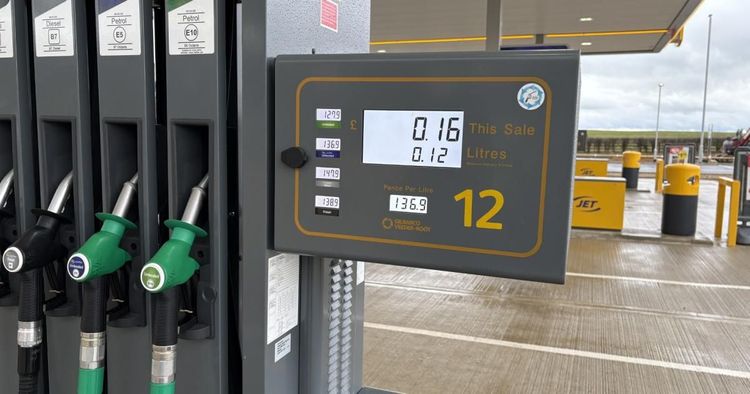
September's Consumer Prices Index (CPI) reading added to the pressure for action: annual inflation reached 3.5%, an 11-month high, moving further above the Bank's 2% target. Higher gasoline and diesel prices, linked to the Middle East conflict, have been a major contributor.
The Iran war closed the Strait of Hormuz shipping lane, which normally carries around a fifth of global energy supplies, according to BBC News. The disruption pushed up oil and gas costs, feeding inflation and increasing the prospect of central bank rate increases.
The Bank's September minutes documented the scale of the energy shock. Between the period preceding its July Monetary Policy Report and the close of business on September 14, spot Brent crude rose 36% to $106 a barrel, while UK wholesale gas climbed 78% to 207 pence per therm.
Using energy prices at the close of business on September 14, the Bank projected inflation of around 3.75% in the fourth quarter of 2026 and slightly above 4% in the first quarter of 2027.
Investec analyst Ellie Henderson said: "The longer energy prices remain elevated, the greater the risk that a temporary price shock becomes more permanent; a 'risk management' hike could guard against this." She suggested that many committee members were losing patience with rising inflation and warned that producers might be unable or unwilling to absorb higher energy costs much longer, potentially leading to higher store prices.
Households await January's energy cap
Energy bills are expected to add to inflation over the winter. Ofgem's price cap for a typical household increased 3.6% on October 1, with a further 22% rise forecast for January. The regulator is due to confirm the January-March 2027 cap by November 25, 2026.
Estimates available in late September varied considerably. EDF put the January cap at £2,165, an increase of £442 from October's £1,723. Uswitch calculated an average forecast of about £2,117 across British Gas, EDF and E.ON Next, representing roughly a 23% increase. Cornwall Insight's estimate was lower, at £1,872.15.
The October cap already reflects a temporary reduction in VAT on domestic electricity in Great Britain, from 5% to zero for the period October 1, 2026, through March 31, 2027. Ofgem values that change at about £45 a year for a typical household. VAT on gas remains at 5%.
Growth and employment complicate the decision
Alongside inflation, the MPC will consider signs of resilience in the economy. Output unexpectedly increased 0.1% in August despite pressure on consumer spending and volatility associated with the Iran war. Unemployment fell to 4.7% in the three months through August, its lowest rate in more than a year.
Thiru expects the Bank's updated forecasts to show somewhat stronger growth this year but a weaker outlook further ahead as inflation and energy costs weigh on activity. He said that combination would leave additional rate increases under consideration.
Borrowers already face higher costs
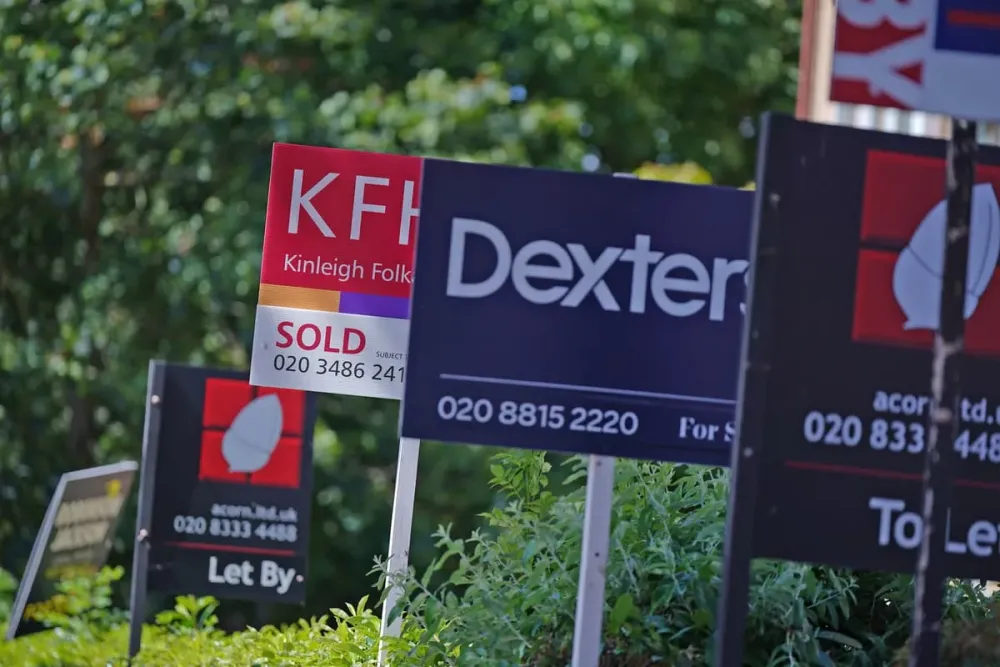
Higher market rates have already reached borrowers. In September, the Bank reported that quoted two-year fixed mortgage rates were about 95 basis points above their level before the Middle East conflict. Its minutes described the transmission of higher short-term market rates into household and business lending rates as rapid and complete.
The Bank's July 2026 Financial Stability Report projected that just over five million UK homeowners would face higher monthly mortgage payments by the end of 2028, compared with four million in its December projection.
For a typical owner-occupier whose fixed-rate deal expires over the following two years, the projected increase was about £45 a month. The Bank also estimated that 750,000 homeowners leaving deals with rates below 3% during 2026 would face an average monthly increase of £170.