First-round advantage meets a turnout push
Flávio Bolsonaro enters the runoff after winning 47.03% of valid votes on October 4, compared with Lula's 45.16%, according to G1 (Globo). No candidate in Brazil has previously won the presidential runoff after finishing behind in the first round.
The result also marked gains beyond the presidential race for Bolsonaro's Liberal Party. AFP reported that it nearly doubled its Senate seats and expanded its presence in the Chamber of Deputies. Former first lady Michelle Bolsonaro secured a Senate seat, while two other sons of Jair Bolsonaro won legislative seats.
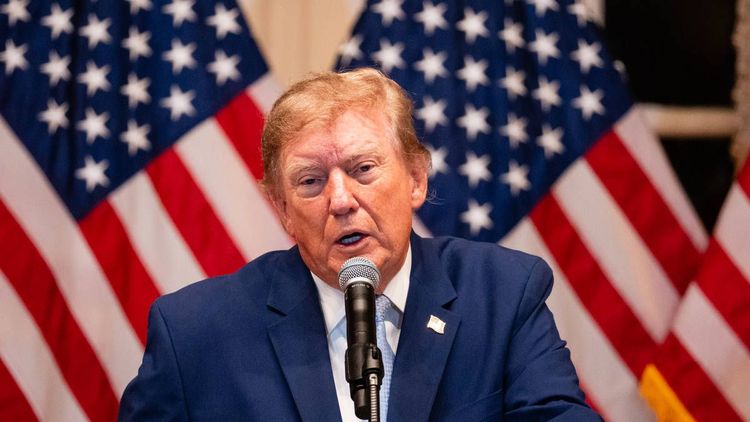
According to AFP, Flávio Bolsonaro was little known until a few months before the election but surpassed his father's first-round results from both 2018 and 2022. US President Donald Trump described his October 4 showing as a "very big" victory.
Lula's supporters have responded with large rallies aimed at getting more voters to the polls. About 33 million registered voters sat out the first round, roughly 21% of the electorate, according to AFP. Mobilizing those voters is a central task for the incumbent's campaign.
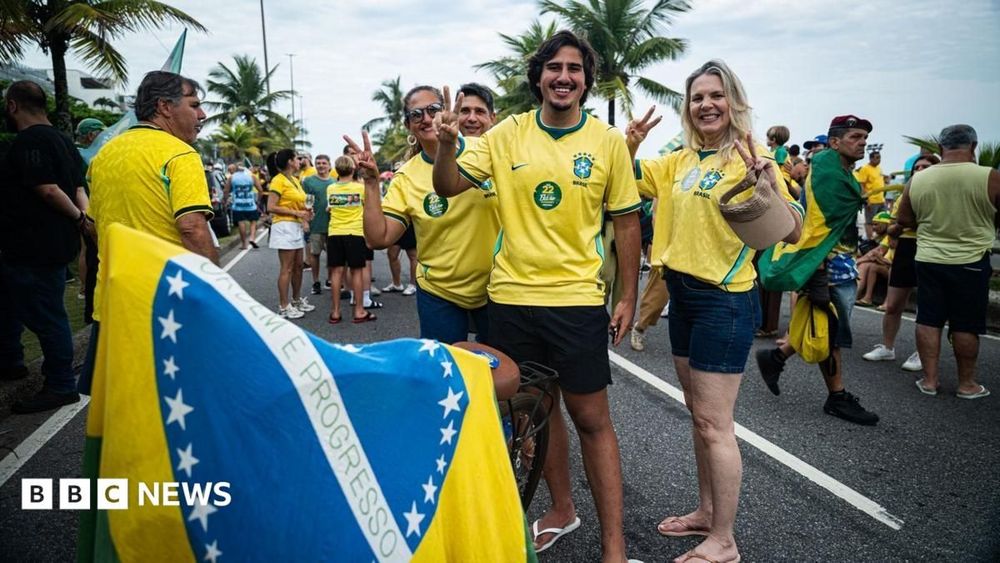
At a large gathering on Rio de Janeiro's Copacabana beach on Saturday, Lula argued that voters wanted progress rather than a return to the past. "We're going to win the election for one simple reason: it's true that the people want change [but] they want to move forward," he said. "They don't want to go backward."
Crime policy and Jair Bolsonaro's sentence
Flávio Bolsonaro has campaigned on a crackdown on organized crime, tax cuts and lower public spending. His supporters celebrated at his final rallies, expressing confidence that he would bring change. He spent the eve of the election campaigning in Belo Horizonte, the capital of Minas Gerais, a state every winning presidential candidate has carried since the 1980s.
"There are only a few hours left before we shape the future of our nation for the next 30 or 40 years," Bolsonaro told supporters in a social media video.
His "Brasil sem Medo" security plan would designate criminal factions and militias as "narcoterrorist" organizations and lower the age of criminal responsibility to 16, G1 (Globo) reported. It also calls for five new maximum-security prisons inspired by El Salvador's model and a doubling of the federal public-security budget over the presidential term.
Bolsonaro has also promised to secure his father's release. Jair Bolsonaro received a 27-year prison sentence for plotting a coup after his defeat in the 2022 election and is serving it under house arrest because of ill health. AFP reported that Flávio Bolsonaro says he would seek an amnesty if elected, portraying his father as a victim of political persecution.
Lula and the Workers' Party argue that the coup-plotting conviction demonstrates the danger that "Bolsonarismo" poses to democratic institutions. They have presented the election as a "battle for democracy". Flávio Bolsonaro, meanwhile, has attacked the Workers' Party over the major financial scandals that damaged its standing with many voters.
Competing claims about sovereignty
The candidates have offered different views of Brazil's relationship with Washington. Bolsonaro argues that cooperation with the US against powerful criminal gangs would help the Brazilian state regain sovereignty over areas those groups control.
Lula made sovereignty a theme of his Copacabana address, describing the choice as one between a candidate who kissed Brazil's flag and one who kissed the American flag. His administration has accused the US of election interference; Washington has rejected the allegation as "baseless".
Relations between Lula and Trump have been rocky during Lula's current term. Lula has said Brazil "does not fit into anyone's backyard", apparently referring to Trump's "Donroe Doctrine". That national security strategy asserts that US dominance in the Western Hemisphere should not be interfered with.
Different paths for public finances
The two campaigns also propose different timetables for improving Brazil's finances. Reuters reported that Bolsonaro's advisers have pledged a fiscal adjustment equivalent to about 1.5% of GDP within 18 months. Their proposed constitutional fiscal framework would use gross debt as a share of GDP as its main anchor. Campaign adviser Adolfo Sachsida has written about setting a debt threshold of 65% of GDP.
Lula's team has committed to moving from a projected primary deficit of 0.4% of GDP in 2026 to an effective primary surplus of about 1.3% by 2030, according to Reuters. Officials say that more gradual adjustment would protect social programs.
Reuters reported that gross public debt rose by more than 10 percentage points during Lula's current term, reaching 82.5% of GDP. Brazil's nominal deficit stands at 9.3% of GDP, compared with the International Monetary Fund's projected 2026 average of 5.8% for emerging economies.
Lula plans to follow Sunday evening's results from São Paulo. Bolsonaro is expected to be in Brasília, the capital, where his father is under house arrest.