Hospital and homes hit in Ukraine
The attack in Kyiv damaged a hospital, started a fire and sent people seeking shelter. One person was wounded.
Odesa regional governor Oleg Kiper reported two deaths and five injuries in the overnight attacks, which also damaged private homes and cars. In southeastern Ukraine, acting Zaporizhzhia regional governor Mykhailo Semikin said a strike killed a 17-year-old boy. Rescuers pulled four injured people from the rubble.
Farther from the front line, a strike on the northwestern city of Rivne damaged a kindergarten. Six people were wounded, including two children.
Russia has also been carrying out heavy aerial attacks on Ukraine's electricity network, causing power outages across the country as temperatures fall ahead of winter.
Russia reports its second-highest overnight interception count
Russia's Defense Ministry said its air defenses destroyed 1,198 Ukrainian drones across more than 15 regions overnight. According to RBC-Ukraine, only one night since the full-scale invasion began has produced a higher Russian-reported interception count: Oct. 29, 2026, when the ministry claimed 1,214.
Moscow Mayor Sergei Sobyanin said 467 drones were heading toward the Moscow region. Air defenses destroyed most at a distance, he said, while 144 were neutralized on their approach to Moscow.
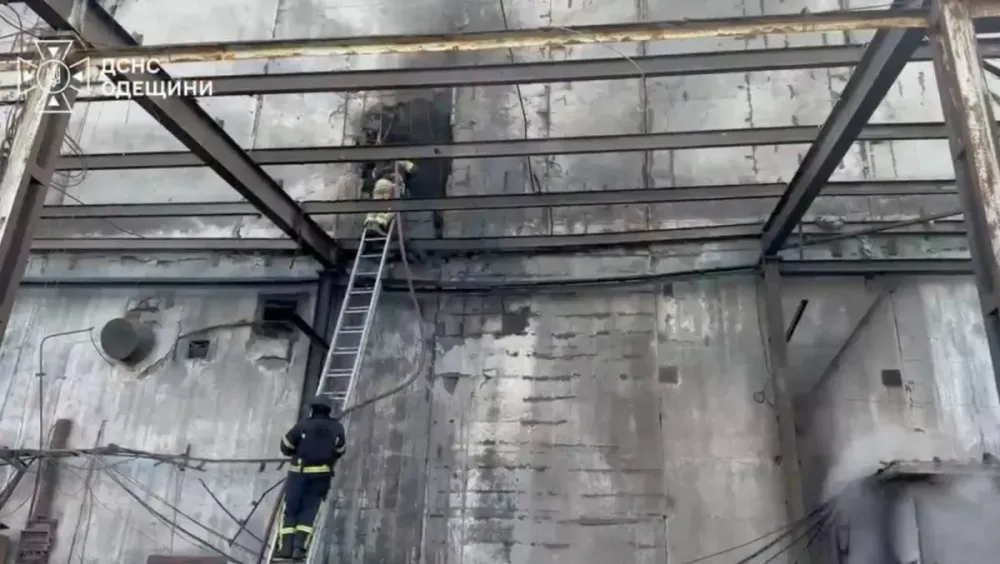
Authorities in the southern Volgograd region said four people were killed while working in an industrial area containing an oil refinery and a chemical plant. Kyiv Post identified the refinery struck as Lukoil's Volgogradneftepererabotka, which is within Volgograd's city limits.
Repeated refinery strikes and fuel shortages
The Volgograd plant ranks among Russia's 10 largest refineries, according to Kyiv Post. It can process roughly 14 million metric tons of crude annually, accounting for about 5% of the country's refining capacity. Its gasoline, diesel and aviation fuel supplies serve southern Russia and the Black Sea Fleet.
The Nov. 13 strike prompted concerns about local fuel supplies. Videos shared by the independent Russian outlet Astra reportedly showed lines forming at gas stations across Volgograd.
The plant has been hit at least nine times since Russia began its full-scale invasion in February 2022, Kyiv Post reported. A May 29, 2026, attack halted production; Ukraine's General Staff confirmed damage to four primary crude distillation units, AVT-1, AVT-3, AVT-5 and AVT-6, as well as secondary processing equipment. Another drone strike on Oct. 2 damaged equipment and forced a complete suspension of crude processing.
The disruption extends beyond Volgograd. Reuters, citing industry sources, reported that Ukrainian strikes had reduced Russia's overall refining throughput by approximately 30% from late October levels. Daily crude processing declined from about 700,000 metric tons, or 5 million barrels, in late October to roughly 500,000 metric tons by mid-November.
The loss of output contributed to gasoline shortages in at least eight Russian regions. Sales restrictions were introduced in the Leningrad, Nizhny Novgorod, Arkhangelsk, Novosibirsk and Penza regions, along with Karelia and Buryatia. Rosneft stations in Moscow also imposed fuel limits.
Ukraine has stepped up retaliatory drone strikes against Russia's energy industry over the past year and a half, seeking to reduce Kremlin revenue and its ability to fund the war.
Attacks follow US-led diplomacy
The overnight attacks followed Thursday's diplomatic effort to end the war, which is approaching its fifth year. US envoys Steve Witkoff and Jared Kushner spent hours meeting Russian President Vladimir Putin in Moscow before flying to Dublin for talks with Ukrainian President Volodymyr Zelensky.
IAEA seeks a gradual return to inspections in Iran
In a separate development Friday, the International Atomic Energy Agency urged Iran to take gradual measures that would allow inspectors back into key nuclear facilities. A report seen by AFP described renewed verification work as critical and said intermediate steps could help restore normal safeguards while building confidence for a broader agreement.
The agency has lacked access to key Iranian nuclear facilities since the 12-day conflict launched by Israel, with US participation, in June 2025. That conflict included attacks on nuclear sites, as has the latest war, which began on February 28. Inspectors visited the Bushehr nuclear plant in September but have not been able to inspect other facilities.
The report acknowledged the unprecedented circumstances created by attacks on Iran's nuclear sites. It nevertheless said insufficient cooperation prevented the agency from concluding that declared nuclear material had not been diverted from peaceful activities. The IAEA described its information and access gaps as a serious proliferation concern requiring urgent action.
Before the June 2025 strikes, the agency estimated that Iran held approximately 440 kilograms of uranium enriched to 60%, close to the 90% level needed for a bomb and above the 3.67% ceiling in the now-defunct 2015 agreement. The stockpile's fate has remained uncertain since those strikes. Iran has long denied seeking a nuclear weapon.
In September, the IAEA board referred Iran to the UN Security Council over nuclear noncompliance, its first such referral in 20 years for failures to meet nuclear reporting obligations.
The report will be considered at the Board of Governors meeting in Vienna on Nov. 18-20, 2026. Director General Rafael Grossi is expected to open the session and hold a news conference on Nov. 18.
Navy's unannounced removals face congressional scrutiny
The Associated Press separately reported that the US Navy had departed from its longstanding practice of publicly announcing major leadership removals. Several senior officers and officials have been fired or left their positions in recent months without the usual disclosures.
Two Democratic lawmakers said Thursday that Congress had not been told about the dismissal of an entire nuclear-powered attack submarine leadership team following an underwater collision last month. An anonymous defense official also told AP that the commander of a destroyer serving in the Middle East was fired in September.
Rear Adm. Brian Monahan, the attending physician for Congress and the Supreme Court, left his position during a Navy investigation. The Navy neither announced nor publicly confirmed his departure.
In a letter to Navy leaders, Reps. Joe Courtney of Connecticut and Adam Smith of Washington questioned the service's transparency and its willingness to maintain a productive relationship with Congress. The dispute could complicate next week's confirmation hearing for acting Navy Secretary Hung Cao, who is seeking the permanent post.
AP placed the personnel disclosures against a broader decline in information about military operations, particularly in the Middle East. US Central Command has provided few details about recent limited strikes on Iran and has declined to describe damage to bases or equipment, generally citing operational security.
At US officials' request, major satellite imagery companies holding US contracts have withheld or delayed public images of the region. An AP analysis took months to establish that Iranian drone and missile attacks had damaged or destroyed structures at 26 military bases and other locations housing US equipment.