All nine policymakers backed higher rates
Eight members of the Monetary Policy Committee supported the quarter-point increase. Catherine Mann, the ninth member, wanted a larger half-point move to 4.25%, according to Reuters and The Irish News, reporting Press Association coverage.
Bailey described the increase as "warranted" but cautioned against interpreting it as the beginning of a series of hikes. The Sun reported that another rise was nevertheless unlikely to be avoided unless the Iran war ended. Policymakers meet again in the week before Christmas, leaving open the possibility of a further increase just before the holiday.
Tracker borrowers face immediate increases
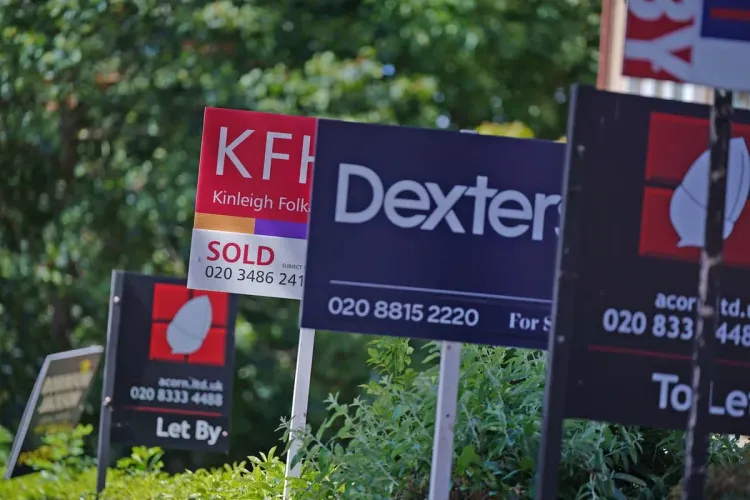
About 591,000 households have tracker mortgages, whose rates move directly with the Bank's base rate. Their repayments will rise immediately. For a typical tracker borrower, the quarter-point increase adds £31 to the monthly payment, according to UK Finance.
Another 470,000 homeowners have standard variable rate mortgages and could also face a prompt increase, with an extra £14 a month in repayments. A standard variable rate, or SVR, is the rate a lender automatically applies when a mortgage deal expires unless the borrower arranges a replacement.
By the end of 2029, average annual mortgage payments are now expected to exceed July's forecast by £700 and the forecast made before the Iran war by £1,500.
Fixed-rate offers have moved differently this week: lenders have been cutting them to compete for borrowers, having already factored in the base rate increase. They remain substantially higher than earlier in the year, however. Moneyfacts puts the average two-year fixed mortgage rate at 5.97%, compared with 4.83% in January.
The Sun advises borrowers whose fixed deals expire within three to six months to secure a replacement rate now. Most lenders allow borrowers to move to a cheaper offer if one becomes available before the new mortgage completes.
Energy costs drive inflation concerns
September's inflation rate reached 3.5%, an 11-month high, adding pressure on the Bank to raise borrowing costs. Motor fuel was the main driver of the increase.
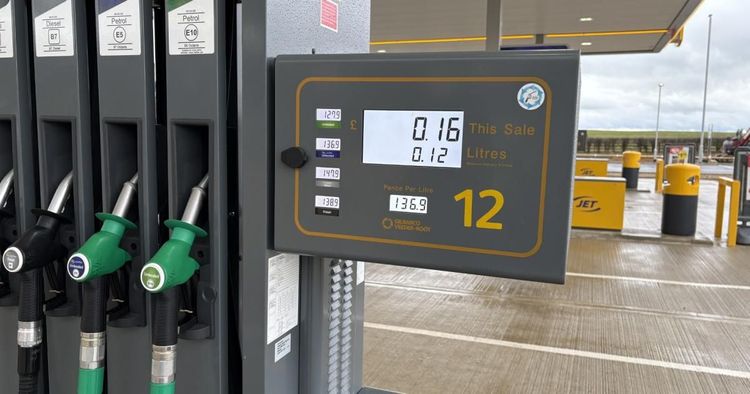
Office for National Statistics figures showed gasoline prices rising by 8.2 pence per liter to 169.5 pence, their highest level since August 2022. Diesel reached 192.5 pence per liter, the highest since July 2022. Overall motor fuel prices increased 29.8% over the period covered by the figures.
The committee said many businesses had protected customers from higher energy costs by accepting lower profit margins or hedging against price spikes since the Middle East war began roughly nine months earlier. It warned that those protections were temporary: a prolonged energy shock would eventually push the costs through to consumer prices.
Markets and economists differ on the next moves
Before the November 5 decision, money markets were pricing in a base rate of at least 4.75%, implying three more increases by the end of summer 2027, Bloomberg reported. Economists' consensus was more restrained: an increase to 4% followed by only a 50-50 chance of another rise in the first quarter of 2027.
Stronger growth helped support market expectations of additional hikes. UK GDP unexpectedly expanded in August for the third month running, pointing to third-quarter growth well above the 0.1% the Bank had forecast in July, according to Bloomberg.
Bloomberg also reported that market bets on multiple increases had already tightened financial conditions, allowing the Bank to delay raising rates. Its November move came after increases by both the US Federal Reserve and the European Central Bank.
Government finances and benefit increases
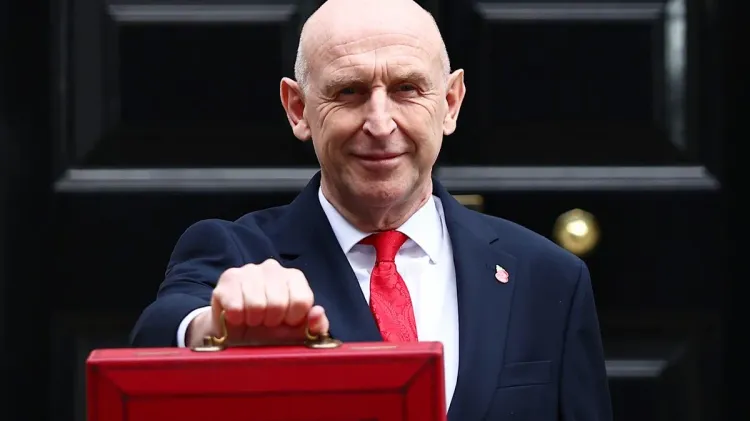
The increase is a setback for Prime Minister Andy Burnham and Chancellor John Healey, who have sought to give households and businesses "breathing space". Healey delivered his first Budget on October 28, 2026.
ONS figures reported by BBC News showed that the government borrowed £24.5 billion in September, £1.8 billion more than a year earlier. Borrowing for the year to date was about £6 billion above the Office for Budget Responsibility's forecast, and total government debt exceeded £3 trillion for the first time.
September's consumer price index reading also determines increases in several benefits the following April. Personal independence payment, or PIP, and carer's allowance must rise in line with that measure by law. Under the triple lock, the state pension is most likely to increase by 3.9% next April, according to BBC News.
Credit card costs and savings returns
Loans, credit cards and other borrowing can also become more expensive after a base rate increase. Lloyds Bank, MBNA, Halifax and Barclaycard tie their credit card rates directly to the base rate, with customers receiving notice before changes take effect. Borrowers can check their card terms to see whether that link applies. A quarter-point rise would add £5 a year to the cost of a £2,000 balance.
Savings returns may improve if banks pass on the increase. Trading 212's Cash ISA currently leads easy-access savings accounts with a 4.77% rate. For savers who have already used their ISA allowance, Oxbury Bank offers an easy-access account paying 4.57%.