Bridlington businesses look for relief
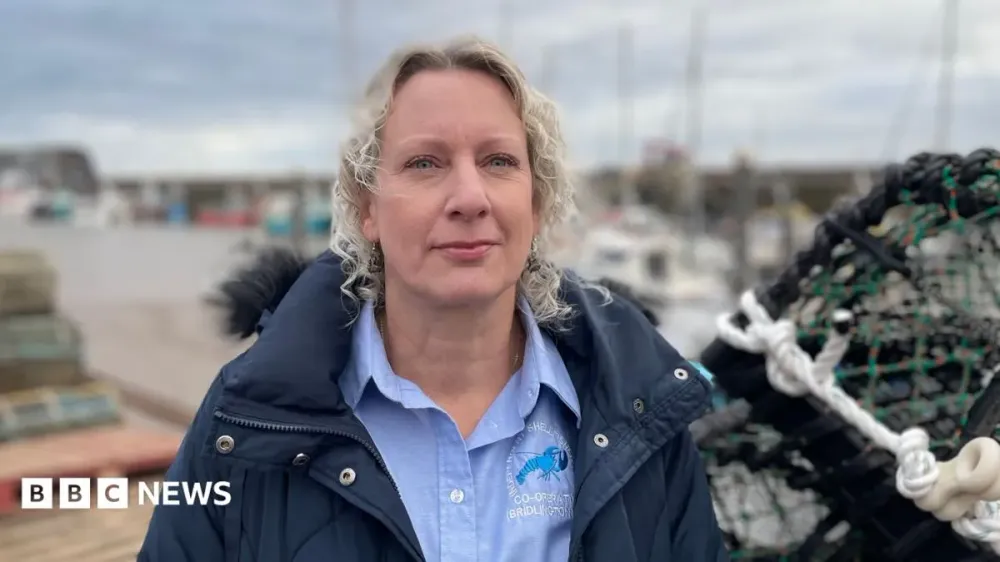
In Bridlington, East Yorkshire, the shellfish industry ships lobster and crab to France, Spain and Portugal and contributes at least £10 million to the local economy. Jo Ackers of the Independent Shellfisherman's Co-operative said the proposed agreement would "lift a burden" from exporters.
Ackers puts the co-operative's annual paperwork bill at about £20,000. Its live exports require veterinary sign-off, adding both expense and administrative work. The co-operative describes Bridlington as Europe's leading shellfishing port.
"The worst part of it is that if something is wrong with the paperwork, we get consignments [of lobster] cancelled, we have to travel across the country to pick our product up again," Ackers said.
The draft sanitary and phytosanitary (SPS) agreement would, if approved, eliminate export health certificates and some port and inspection fees. The BBC reports that a 200-page draft has been distributed to EU member states in Brussels. Many food exports have required additional health certification since the UK formally left the EU in January 2020.
Veterinary costs reach beyond shellfish
For dairy producers, export health certificates have been required for all UK dairy products since Brexit. Tim Jones, who runs Lincolnshire Poacher Cheese in Alford, said "removing it will definitely help".
Even sending a small quantity of cheese to a competition carries a cost. Jones said veterinary approval for the company's recent entry in the World Cheese Awards in Spain cost £300, although the shipment weighed only a few kilograms.
A specialist exporter based in London handles most of the company's EU shipments. Jones said removing the certificate requirement would reduce that exporter's costs and bureaucracy.
Bio&Me, which produces granola, muesli and yogurt, abandoned yogurt exports after veterinary inspections made them unprofitable. Chief executive and co-founder Jon Walsh told BBC 5 Live that each pallet had required a £140 inspection. He described the draft agreement as "really good news".
William Bain, head of trade policy at the British Chambers of Commerce, said certificate requirements could add thousands of pounds to the cost of a truckload, on top of delays at ports and borders. He told the BBC's Today program that delays and sharply higher supply-chain costs were reducing exports.
What the agreement would cover
According to BBC reporting, the draft would allow EU exports of fresh sausages, burgers, shellfish from domestic waters and seed potatoes to resume. It would also restore passports for British pets traveling to the EU.
Northern Ireland would see a substantial reduction in the impact of the post-Brexit Irish Sea border, the BBC reports. UPI reports that retailers there would no longer need to mark products "not for the EU".
In return, the UK would commit to "dynamic alignment": continuing to follow and adapt to EU regulations governing plant, animal and food trade standards. UK government guidance says businesses would have to comply with EU rules covered by the agreement even if they sell only within the UK.
The Association of Port Health Authorities has cautioned that ending checks does not eliminate the risks those checks address. Anthony Baldock, its executive board chair, also said SPS controls account for only part of border procedures; customs and other requirements would remain.
Economic forecasts and a wider package
UK agri-food exports to the EU have dropped by about a third since Brexit, according to the National Farmers' Union, as cited in reporting on the draft agreement.
The UK government estimates that the SPS deal would eventually bring £5.1 billion in annual economic benefits. According to BBC reporting, the prime minister also said a UK-EU deal could add up to 0.4% to GDP.
The food agreement is one element of a broader package. The BBC reports that EU member states have also received draft agreements to link emissions trading and establish a youth travel and work scheme, alongside a 15-page draft joint statement for UK and EU leaders.
Approval and implementation remain ahead
Reporting on the draft points to formal agreement at a UK-EU summit in Brussels on November 20, 2026. The UK government says it intends the SPS agreement to take effect in mid-2027.
Reports on the draft, however, indicate that implementation is not expected before the first quarter of 2028. They attribute the delay to the time needed for the UK to pass legislation bringing its rules into line with EU standards.
Ackers said post-Brexit restrictions had already prompted some shellfish companies to stop exporting. She remains cautious about planning future export operations: "Until any of these deals with the EU are finalised, we're still doing the same as we were."